

Category: Oral implantology
-
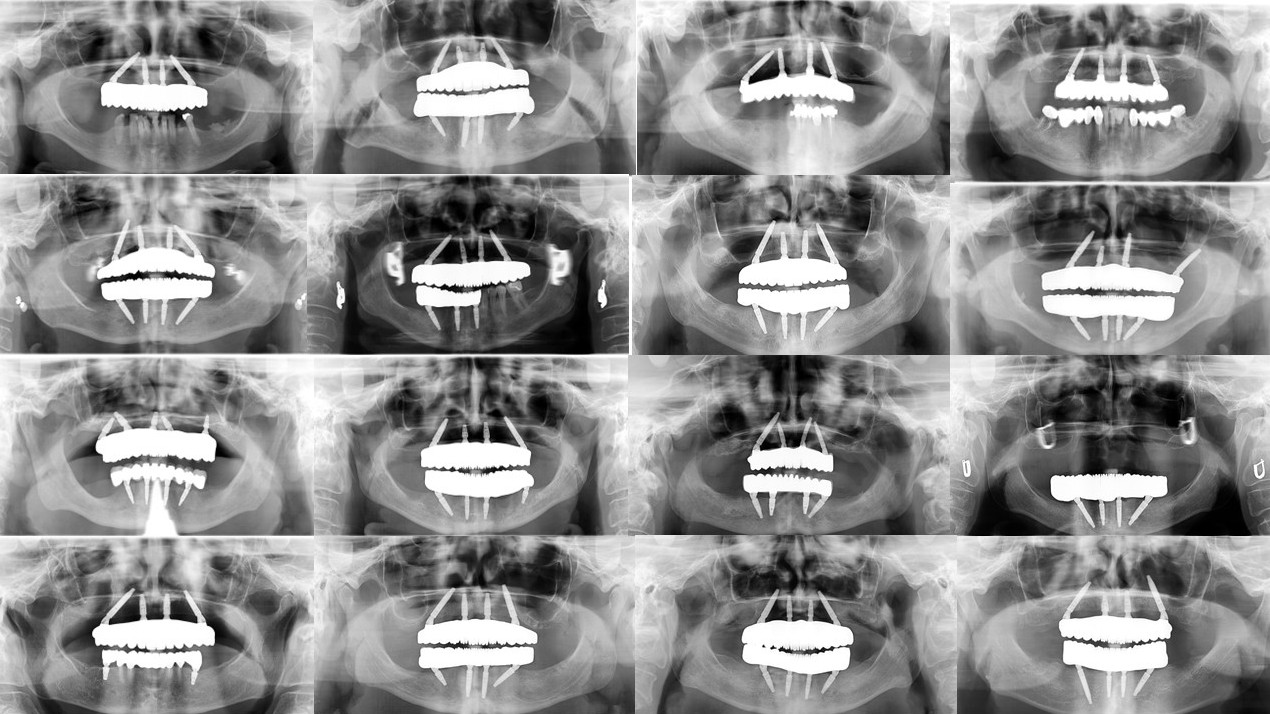
Arguments Against All-on-4
All on 4 is a protocol created by Dr. Paolo Malo, almost 30 years ago, to treat edentulous jaws without complicated graft procedures. It has since evolved, but the core principles remained and the body of scientific evidence that confirms its high success rate over long time is undeniable. Over time, the protocol became immensely…
-
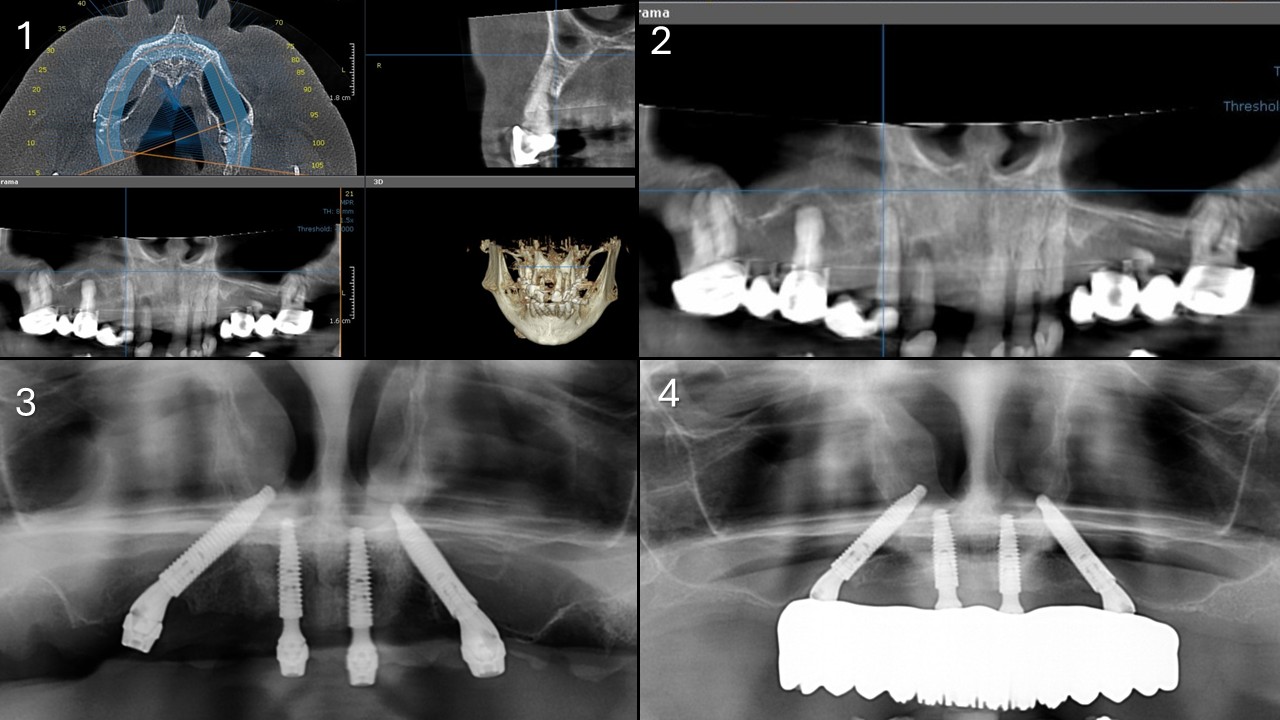
Transantral (Trans-sinus) implants: At the Frontier
The Challenge of the Maxillary Sinus Since we began using dental implants to restore missing posterior teeth—or even the fully edentulous maxilla—we have been contending with a powerful adversary: the maxillary sinus. Historically, our first instinct was to reduce the sinus volume in favor of bone, which led to the birth of Sinus Floor Elevation…
-
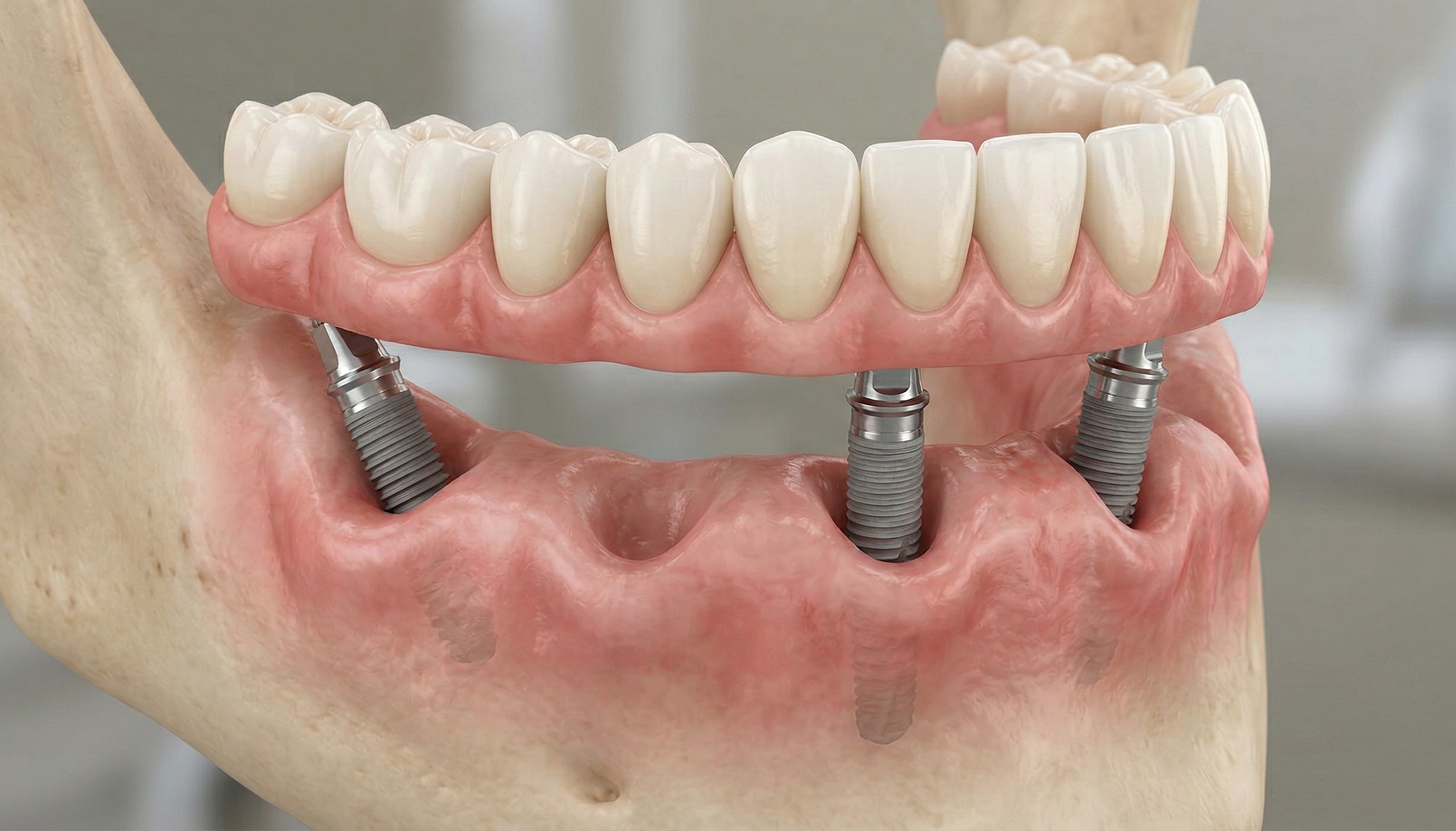
Precision and Predictability: A Comparative Guide to Full-Arch Rehabilitation
In contemporary implantology, the goal is to provide edentulous patients with a total smile transformation that restores both biological function and natural aesthetics. While clinicians often debate between the All-on-4 and All-on-6 approaches , the choice should be governed by a specific clinical philosophy rather than just a numerical count of implants. The All-on-4 Protocol:…
-
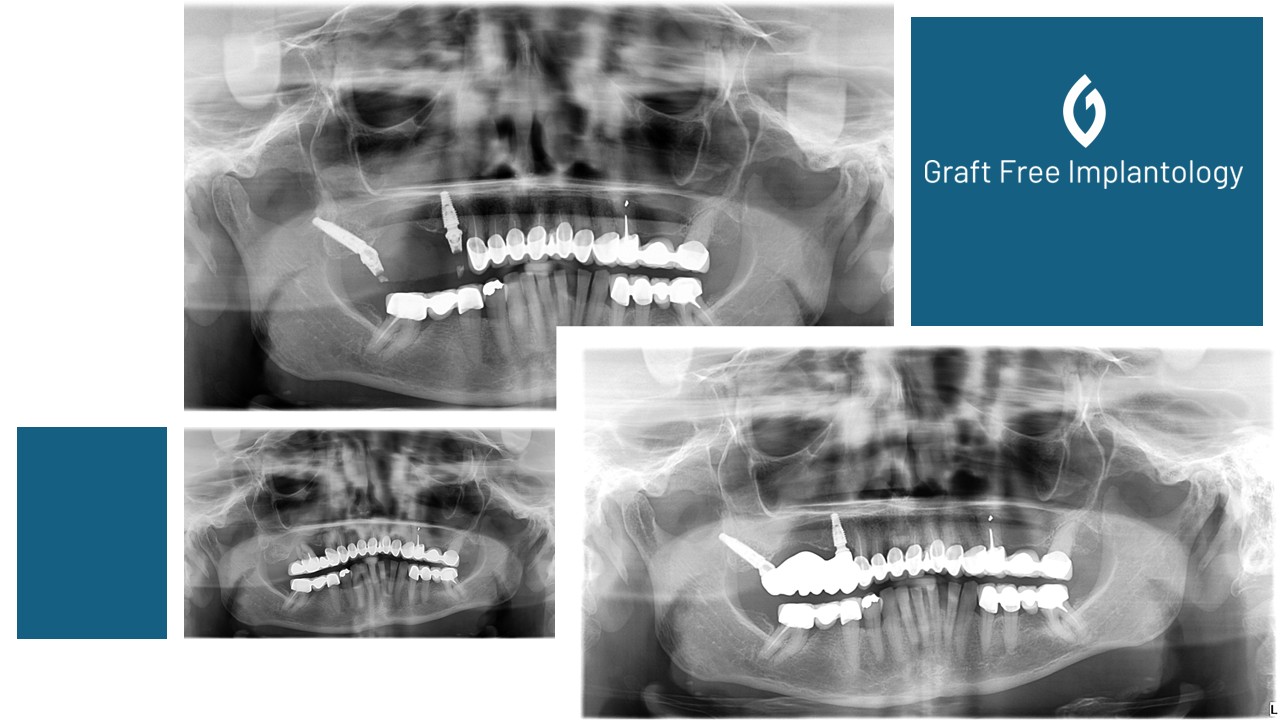
Pterygoid implants: the what, the why and the how
Definition The term “pterygoid implants” refers to dental implants placed in the posterior region of the upper jaw (maxilla) in such a way that their threads engage the pterygoid process of the sphenoid bone and the pyramidal process of the palatine bone. Their name refers exclusively to their anatomical location, as there is no single…
-
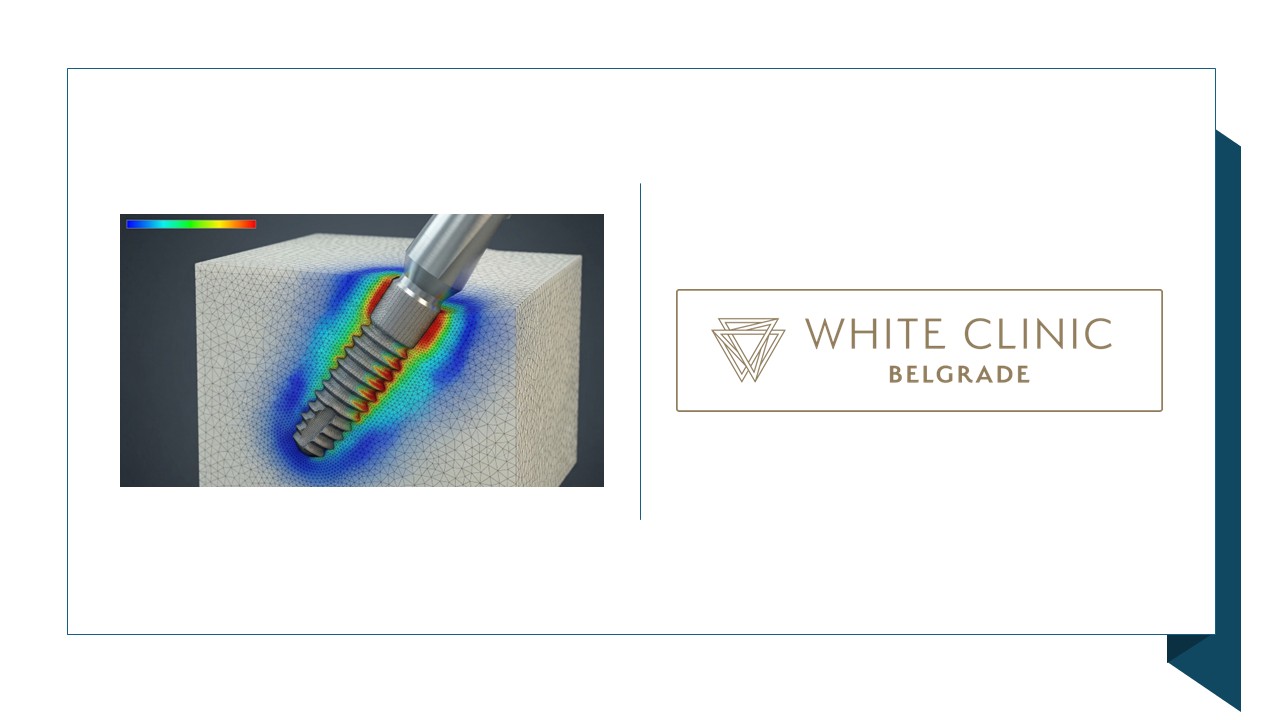
Prosthetic Aspect of Implant Angulation in the All-on-4 Concept: Load Biomechanics and the Influence of Lateral Forces
Introduction The All-on-4 concept represents a predictable therapeutic option for the rehabilitation of edentulous jaws using a fixed prosthetic restoration supported by four implants, where the distal implants are placed at an angle. This approach allows for the avoidance of anatomical limitations, an increase in the anteroposterior spread, and a reduction of the distal cantilever.…
-
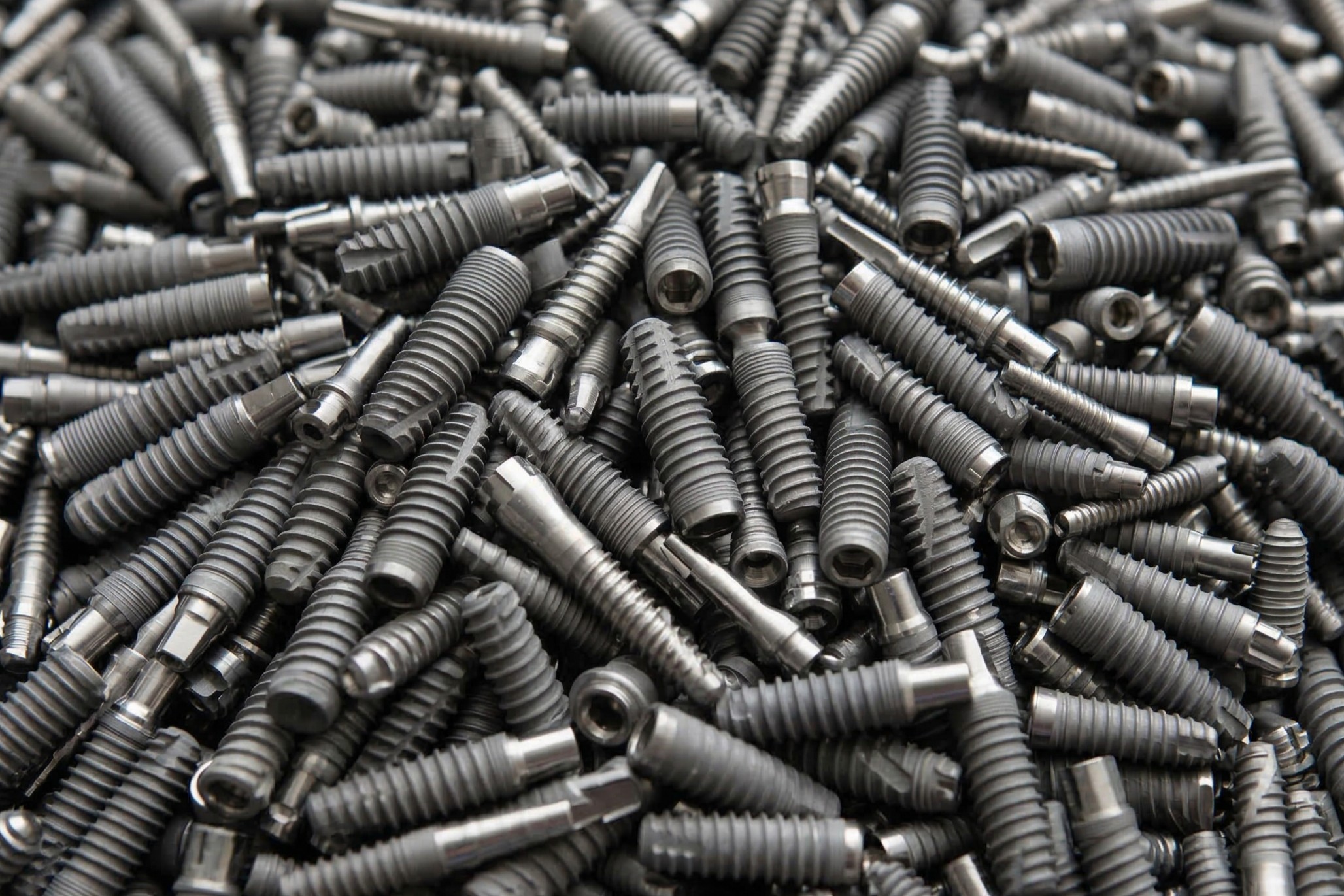
A Guide To Implant Systems
Introduction What features should a modern implant system have? How many systems should a dental practice offer? Which brand is truly the best, and should the patient be given a choice? For a young dentist at the beginning of their implant journey, these questions are difficult to answer. Countless brands compete for attention, offering incredible…
-
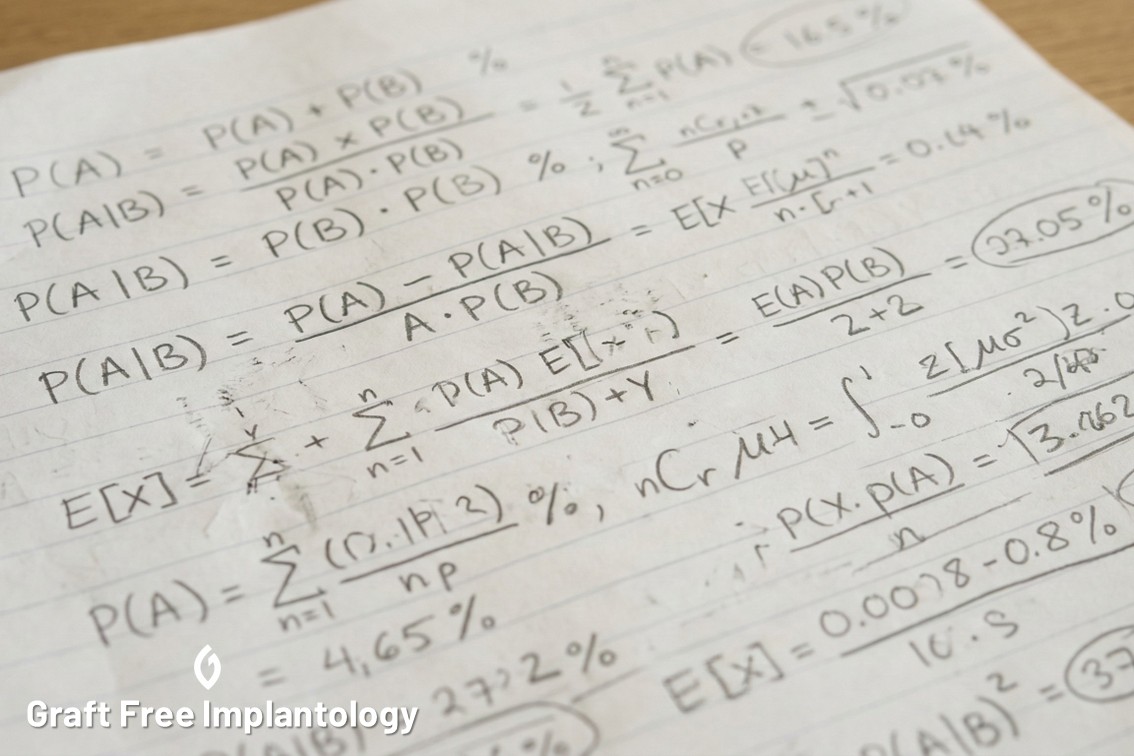
Implant success rate: a reality check
Is implant success rate known Implant success rate is a very important topic and we mostly use it to reassure our patients that dental implant therapy is safe and successful, but it is also used internally to evaluate the treatment success. Or at least it should be. In Graft Free Implantology concept it is definitely…
-
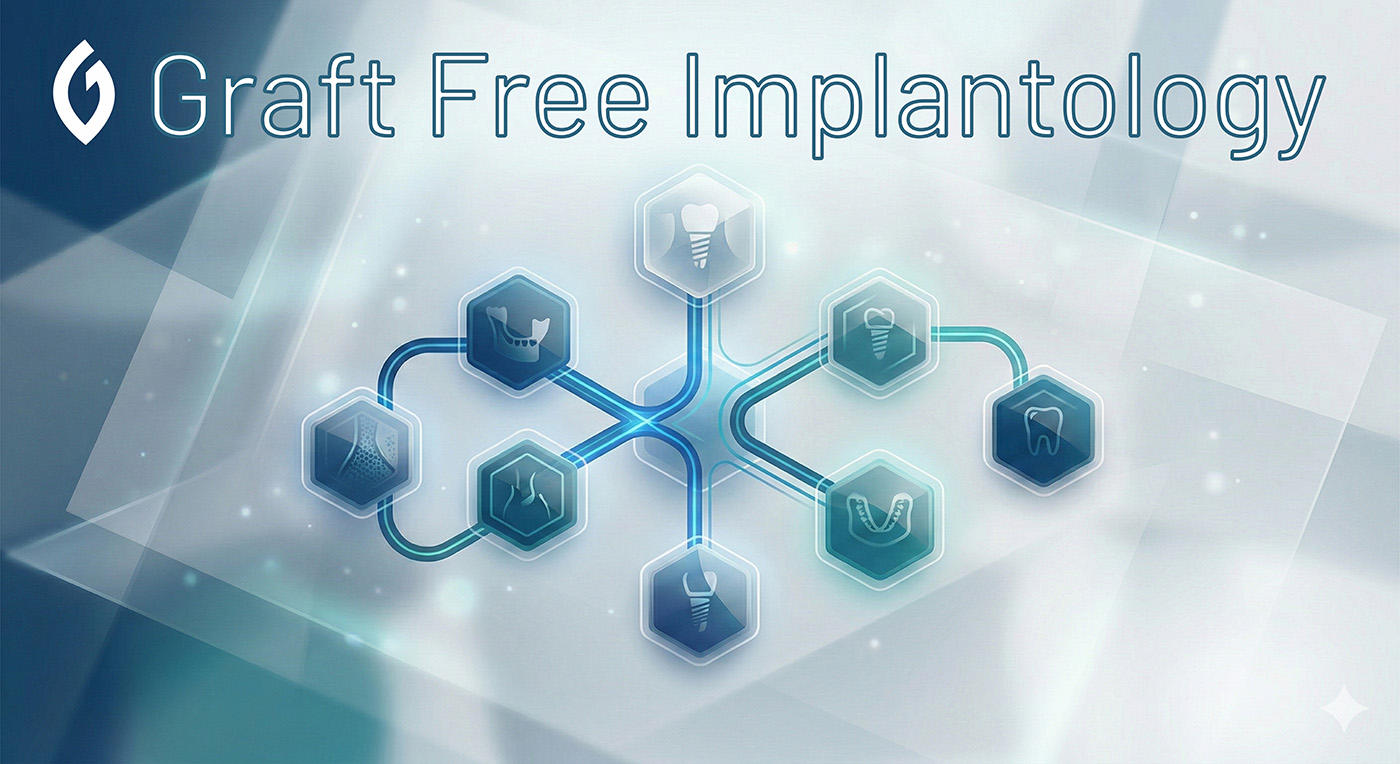
The Graft Free Implantology Classification
A Biological Approach to Minimally Invasive Rehabilitation I. Single Tooth Indications: The Esthetic & Biological Preservation – Level 1 certification Goal: Maximizing native tissue stability to eliminate the need for synthetic augmentation. II. Segmental Restorations: Bridge & Multi-Unit Protocols – Level 2 certification Goal: Utilizing geometry and local biology to bypass traditional GBR. III. Full-Arch…
-
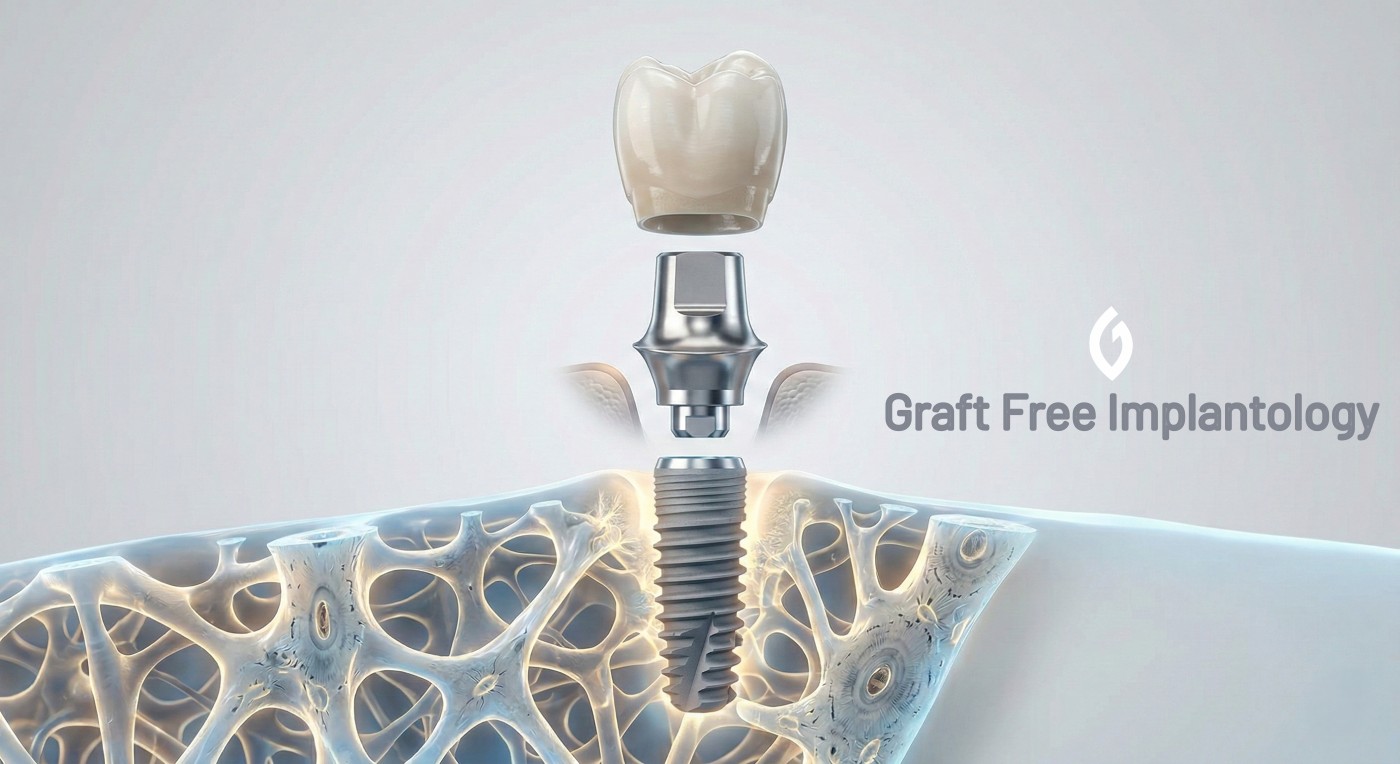
The “One Abutment One Time” Protocol: Beyond Empirical Data
One Abutment One Time (OAOT) is a surgical protocol where a definitive prosthetic component is installed immediately upon implant placement. This approach was first described by Dr. Luigi Canullo in 2010. When it is time for the final restoration, the impression—whether analog or digital—is taken at the abutment level rather than the traditional implant level. Technically, this transforms…
-
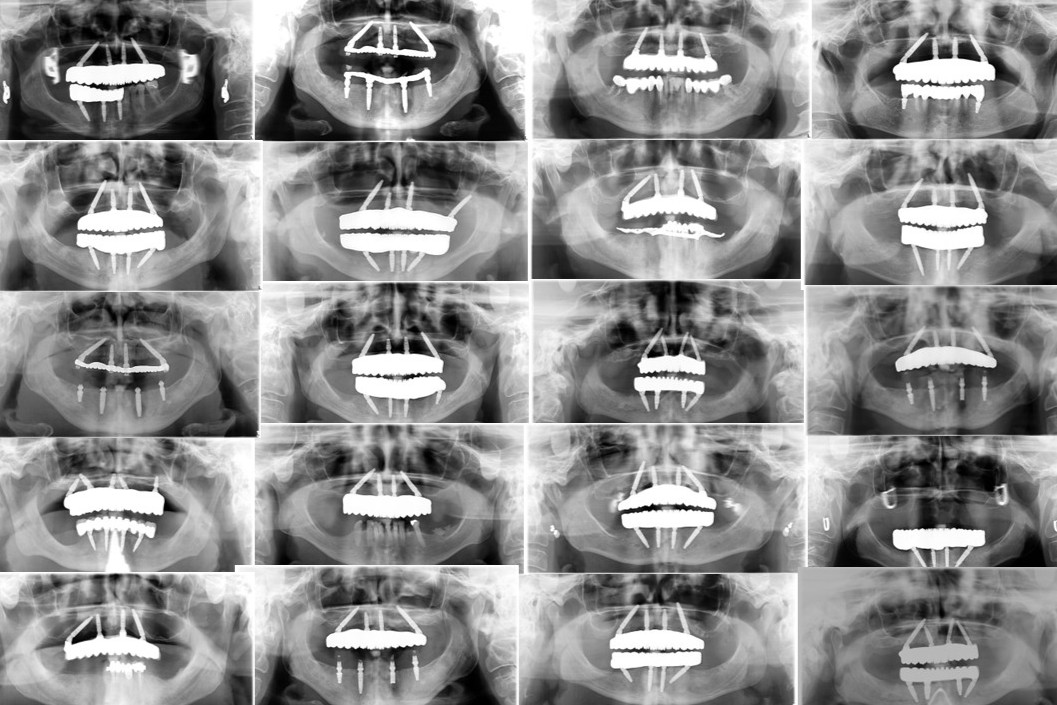
The Fallacy of “All-on-X”: Why Protocol Trumps Implant Count
The evolution of full-arch rehabilitation has transitioned from “The more, the merrier” approach of the 1990s and early 2000s to the sophisticated biomechanics of the Graft Free Implantology movement. Historically, treating implants as direct analogs for natural roots led to catastrophic failures. High implant density compromised blood supply and violated the necessary 3mm biological width…