

Author: Dr. Vladimir Malušev
-
-
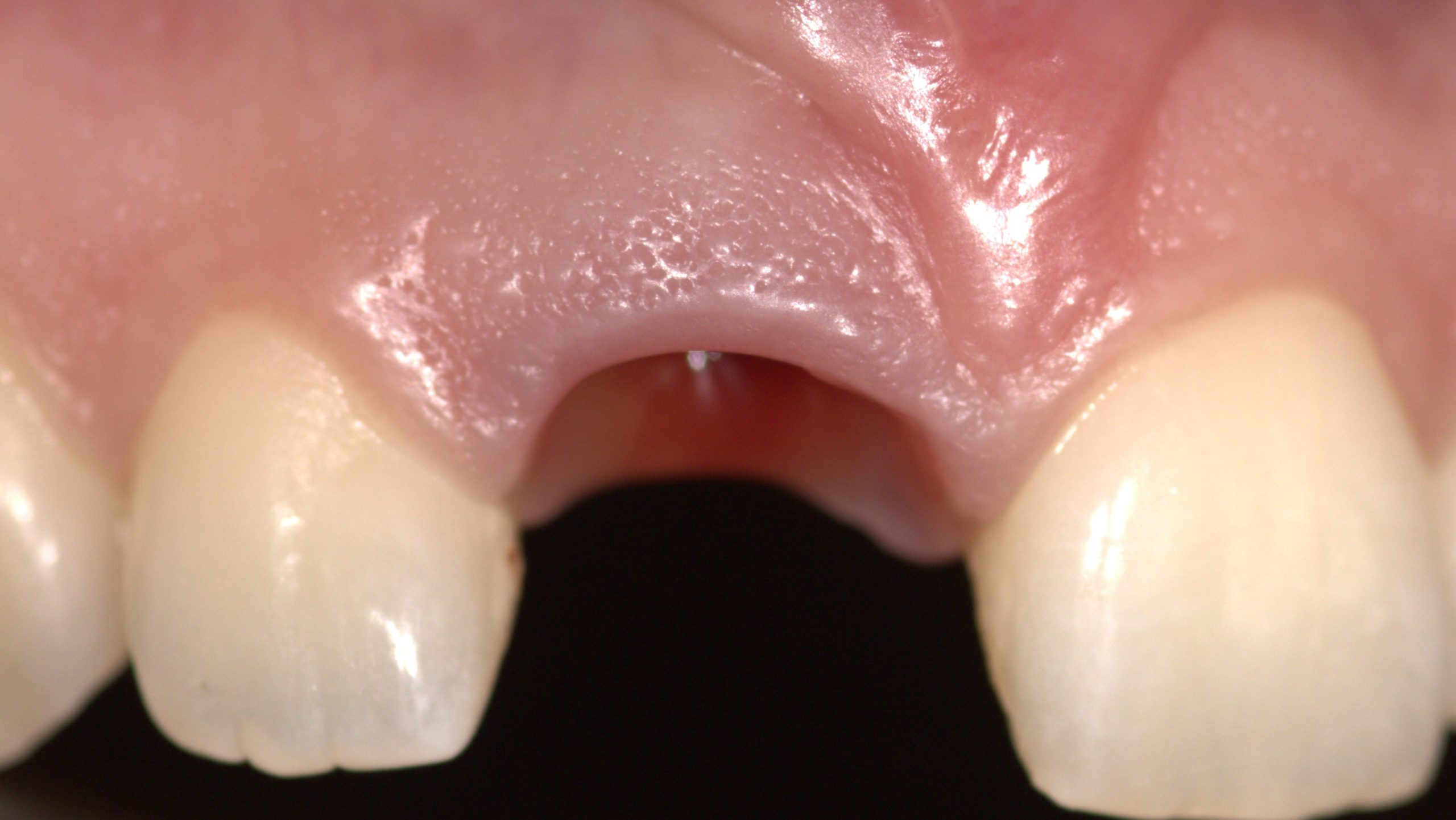
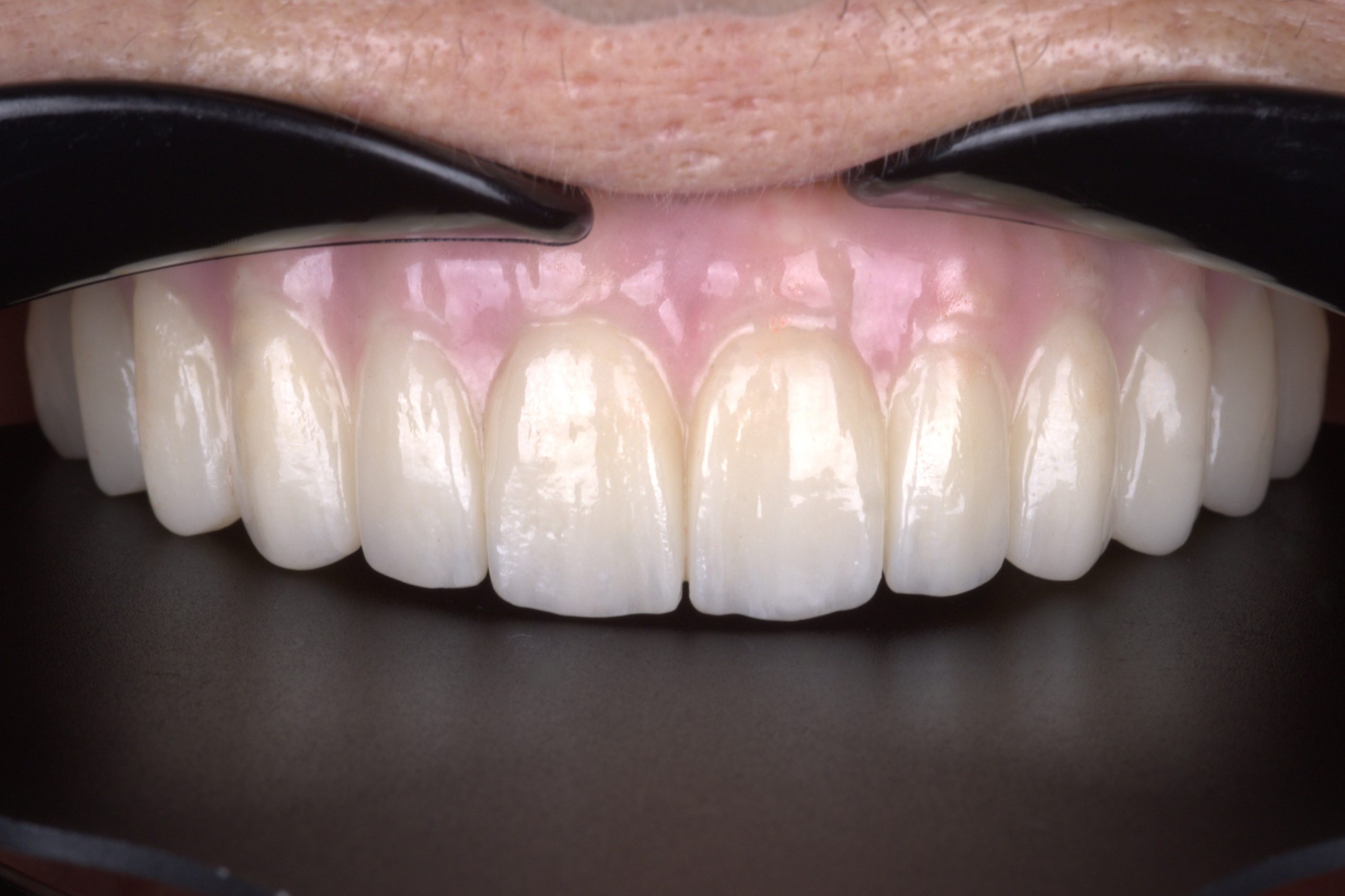
Level 1 Case: Socket shield technique
initial state Surgical stage after initial healing Final Restoration The future of the aesthetic zone isn’t found in a bottle of bone substitute; it is found in the meticulous preservation of the patient’s own anatomy.
-
A Guide To Implant Systems
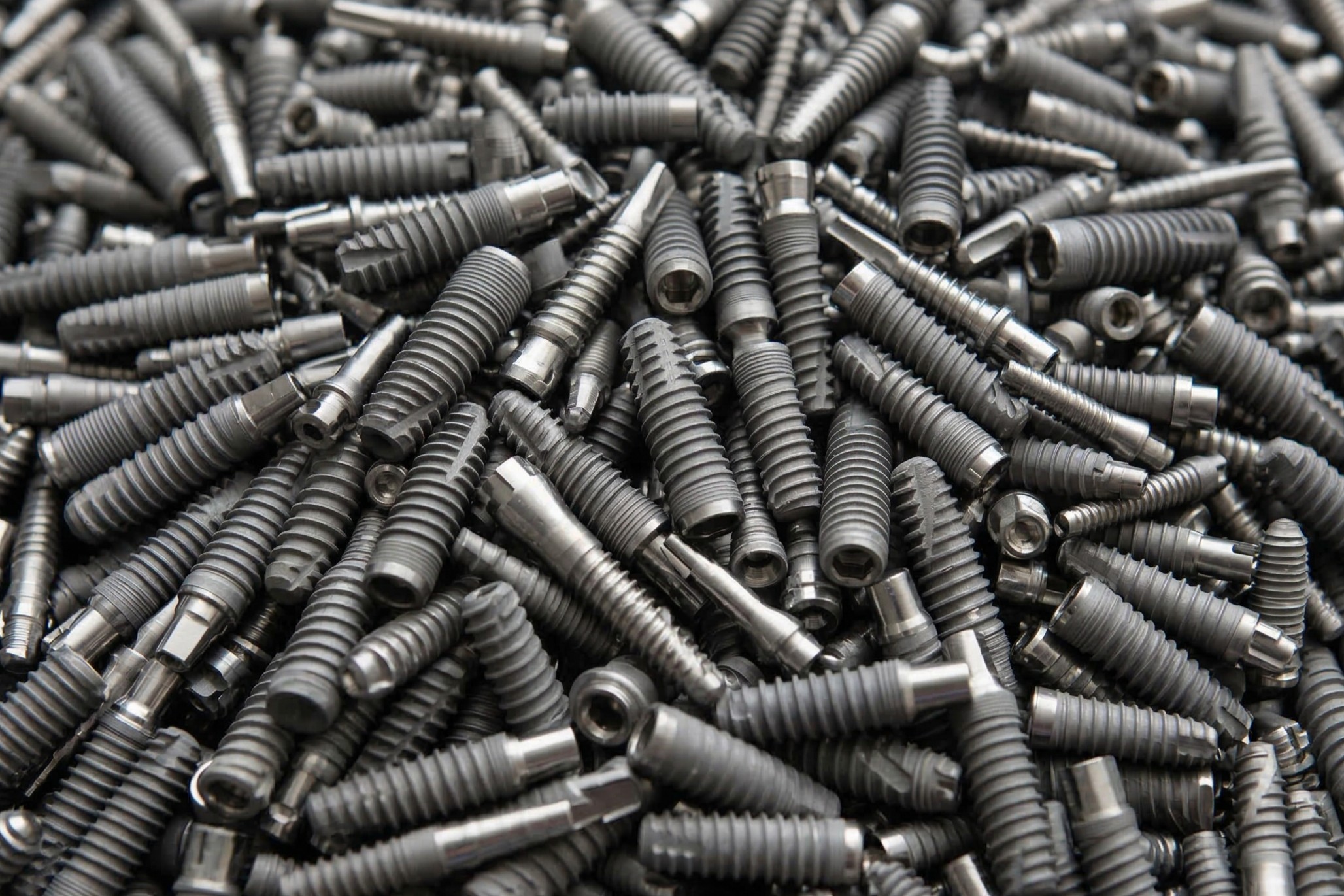
Introduction What features should a modern implant system have? How many systems should a dental practice offer? Which brand is truly the best, and should the patient be given a choice? For a young dentist at the beginning of their implant journey, these questions are difficult to answer. Countless brands compete for attention, offering incredible…
-
Implant success rate: a reality check
Is implant success rate known Implant success rate is a very important topic and we mostly use it to reassure our patients that dental implant therapy is safe and successful, but it is also used internally to evaluate the treatment success. Or at least it should be. In Graft Free Implantology concept it is definitely…
-
The Graft Free Implantology Classification
A Biological Approach to Minimally Invasive Rehabilitation I. Single Tooth Indications: The Esthetic & Biological Preservation – Level 1 certification Goal: Maximizing native tissue stability to eliminate the need for synthetic augmentation. II. Segmental Restorations: Bridge & Multi-Unit Protocols – Level 2 certification Goal: Utilizing geometry and local biology to bypass traditional GBR. III. Full-Arch…
-
Case: Buccaly Displaced Flap
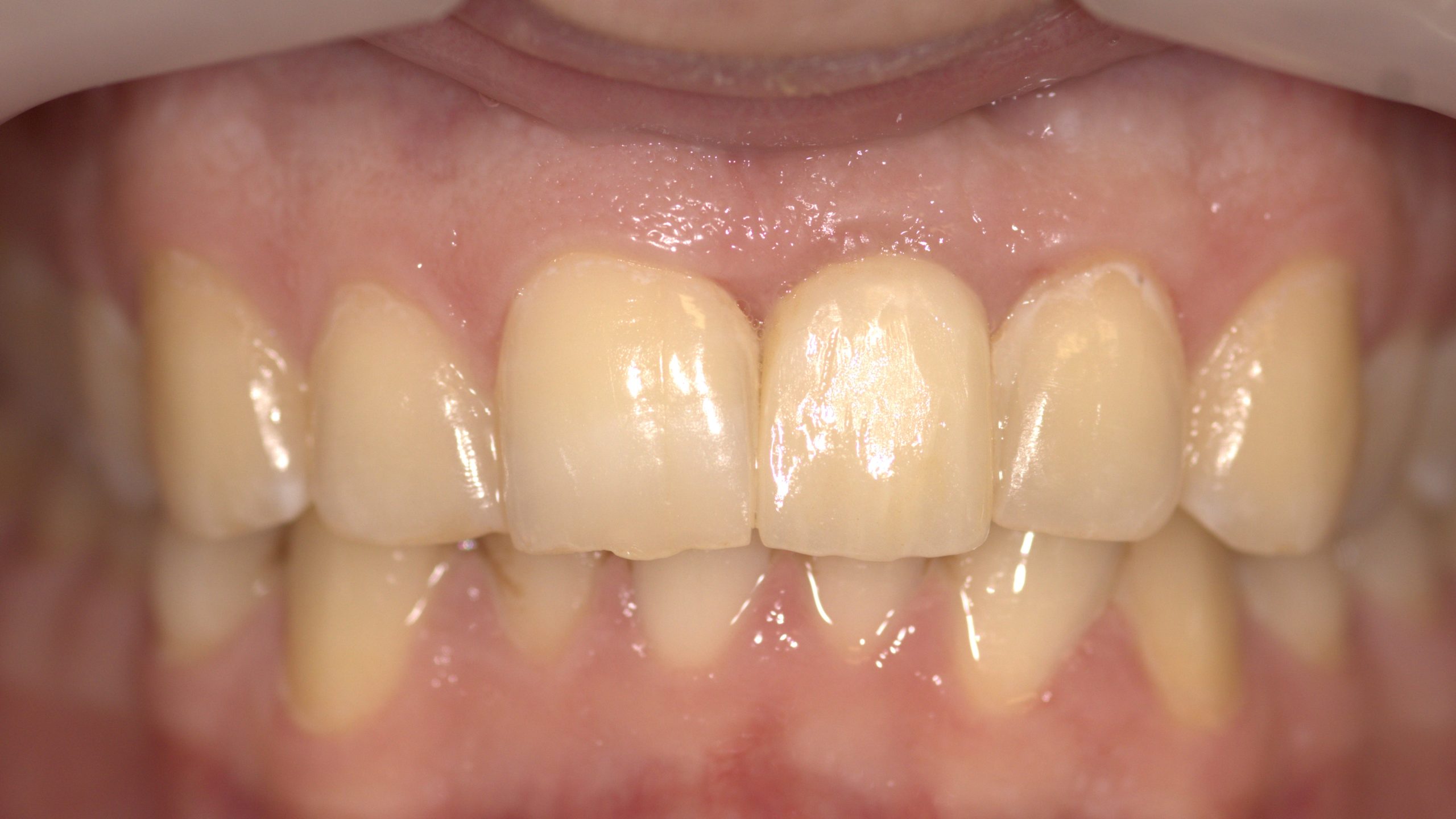
Initial state – Patient lost central incisor some time ago Intraoral Scan – clearly visible horizontal bone defect Post operative state – immediate loading Healthy emergence profile after healing Final crown in place Watch the case video on Youtube
-
-
The “One Abutment One Time” Protocol: Beyond Empirical Data
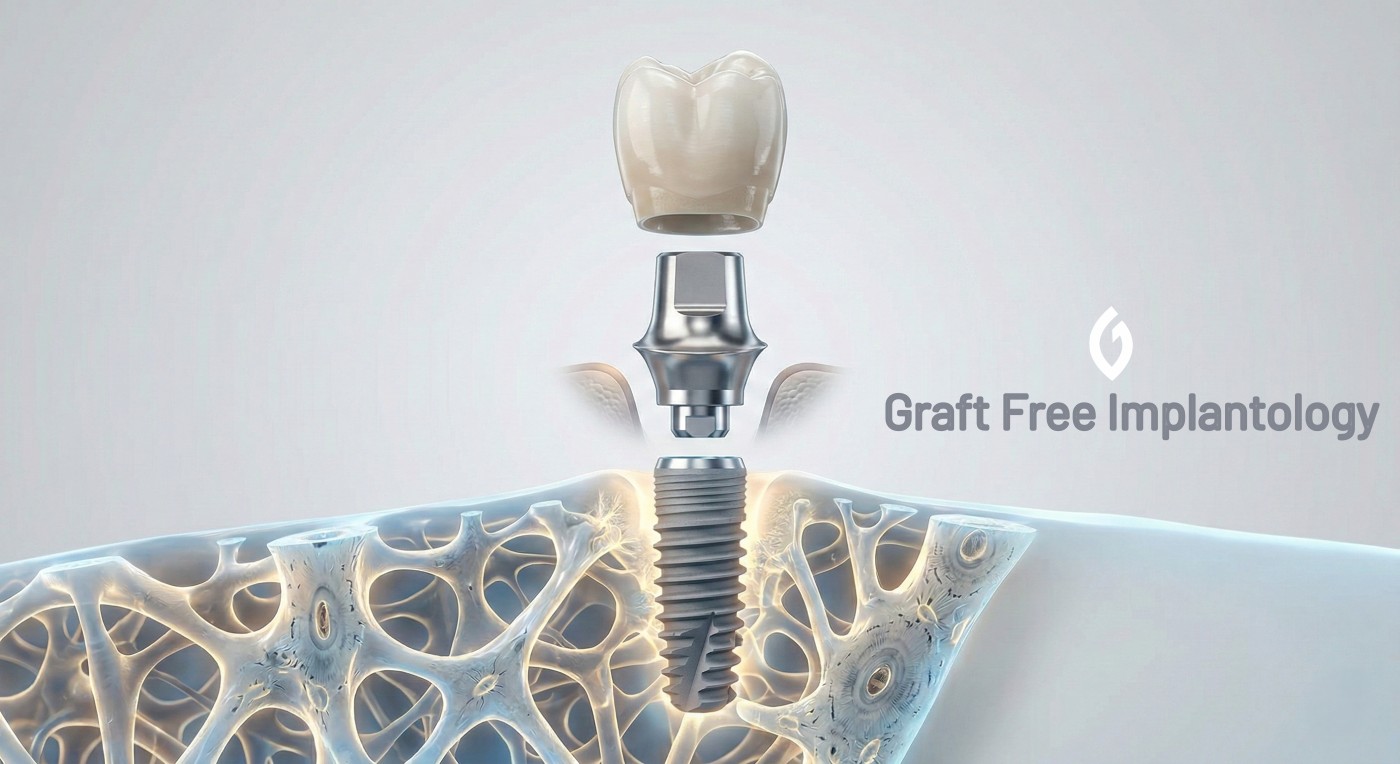
One Abutment One Time (OAOT) is a surgical protocol where a definitive prosthetic component is installed immediately upon implant placement. This approach was first described by Dr. Luigi Canullo in 2010. When it is time for the final restoration, the impression—whether analog or digital—is taken at the abutment level rather than the traditional implant level. Technically, this transforms…
-
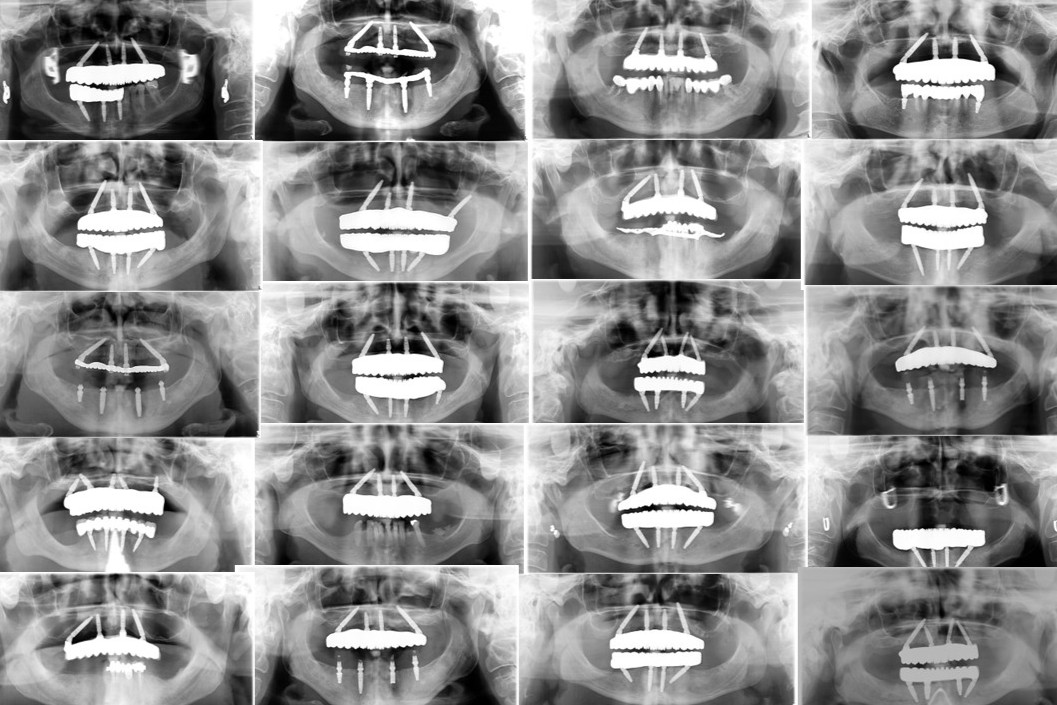
The Fallacy of “All-on-X”: Why Protocol Trumps Implant Count
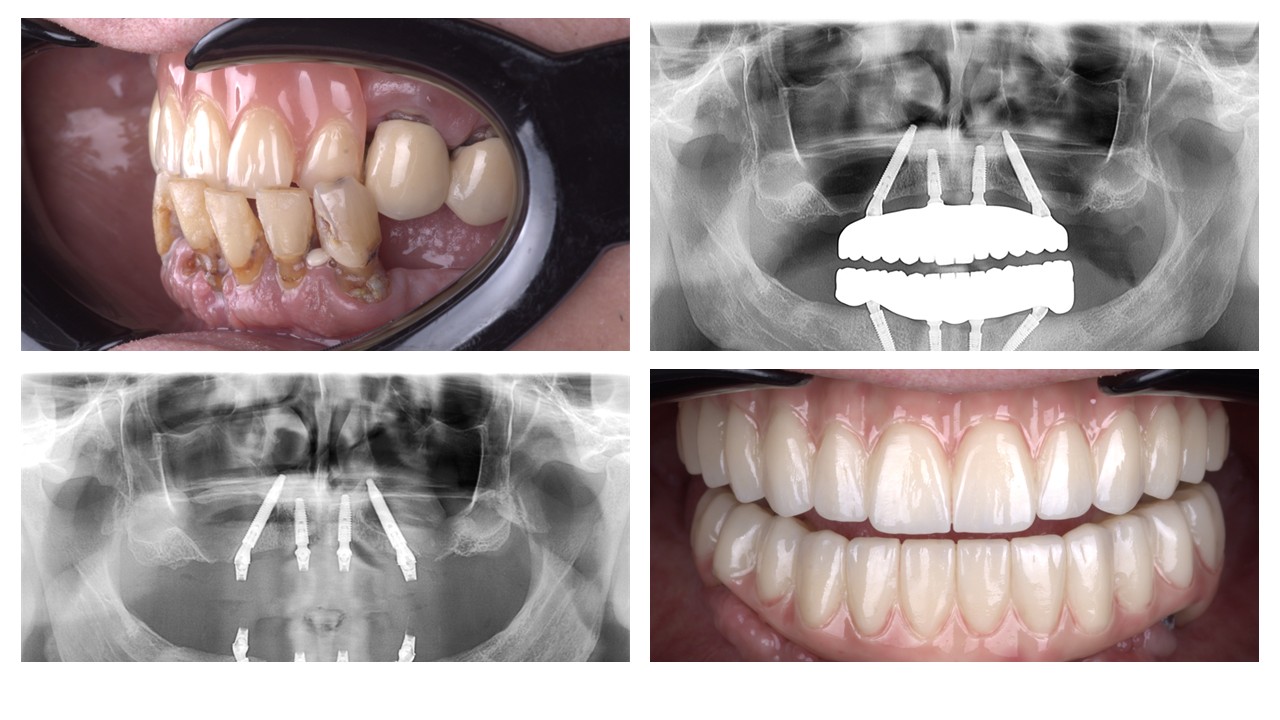
The evolution of full-arch rehabilitation has transitioned from “The more, the merrier” approach of the 1990s and early 2000s to the sophisticated biomechanics of the Graft Free Implantology movement. Historically, treating implants as direct analogs for natural roots led to catastrophic failures. High implant density compromised blood supply and violated the necessary 3mm biological width…
-
Flap Design in Graft Free Implantology: A Paradigm of Vascular Preservation
In Graft Free Implantology (GFI), the approach to soft tissue is governed by the principle of Biological Economy. Because GFI avoids the aggressive bone-building protocols of GBR, the mucoperiosteal flap design is intentionally modified to keep maximum tissue vascularization intact. In the GFI framework, we do not “open to see”; we “access to treat,” relying on advanced…