
The Challenge of the Maxillary Sinus
Since we began using dental implants to restore missing posterior teeth—or even the fully edentulous maxilla—we have been contending with a powerful adversary: the maxillary sinus. Historically, our first instinct was to reduce the sinus volume in favor of bone, which led to the birth of Sinus Floor Elevation (SFE) procedures.
While many variants and approaches have been developed with varying degrees of success, the range of complexity and materials involved is vast, and I will not even go there. A great majority of authors remain proponents of lateral approach SFE. However, the reality is that these remain procedures with high complication and failure rates. Furthermore, these complications often lead to significant infections that require surgical intervention. Another limitation is the inability to load those implants immediately—if they can be placed at all—necessitating long healing periods.
Beyond Traditional Grafting
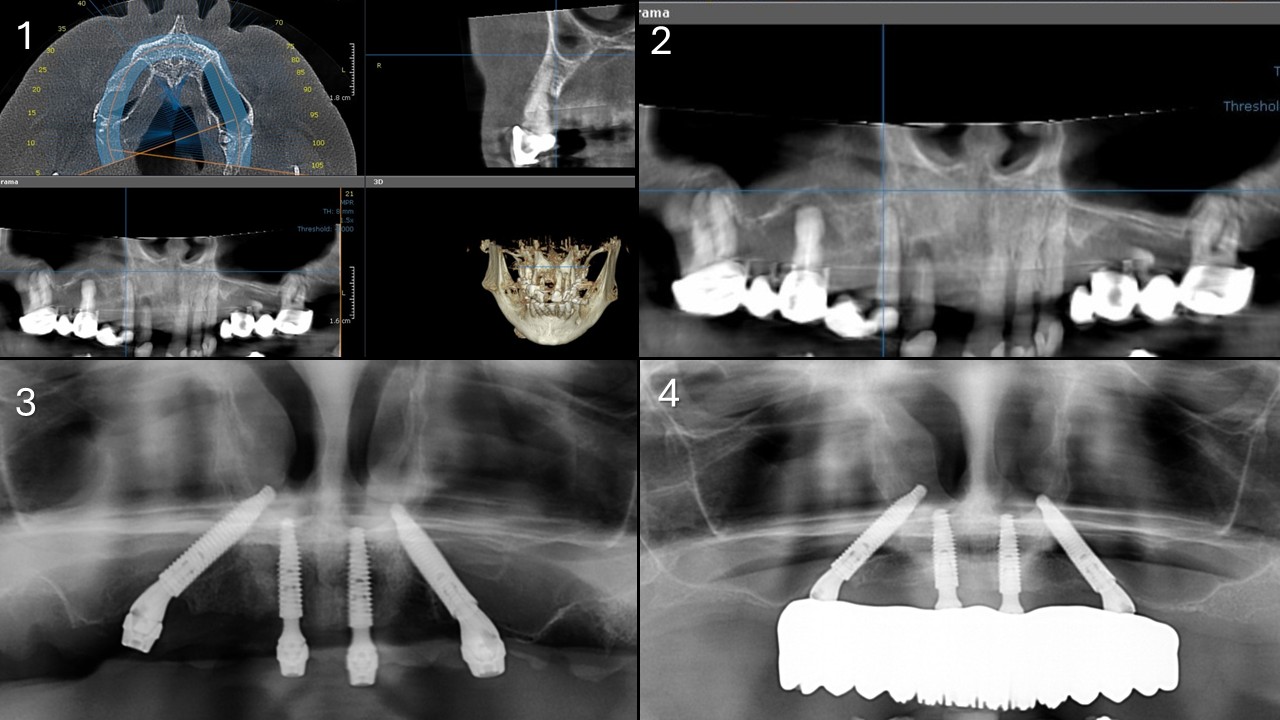
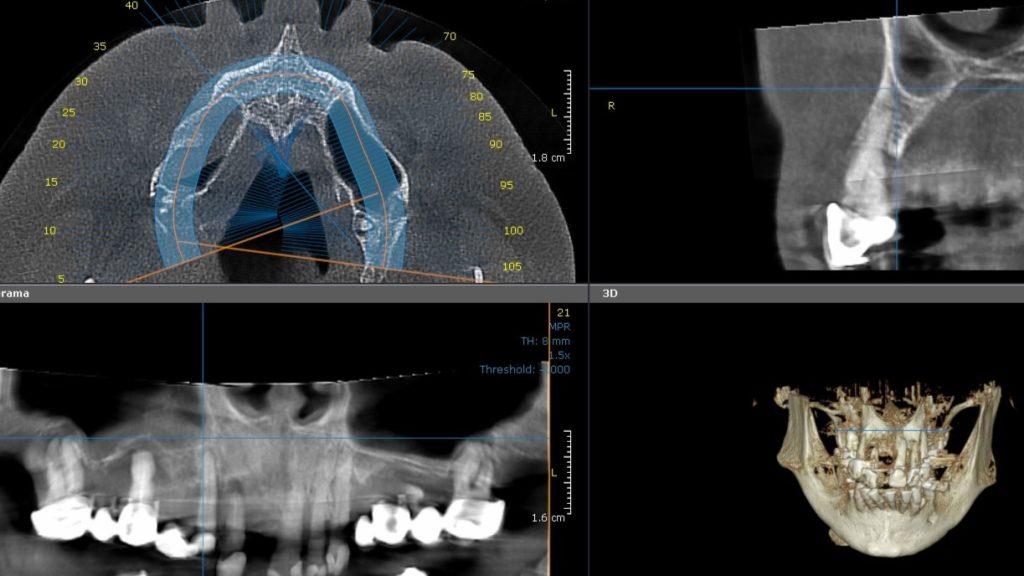
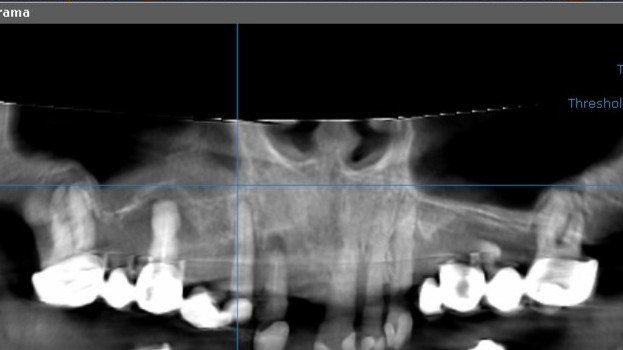
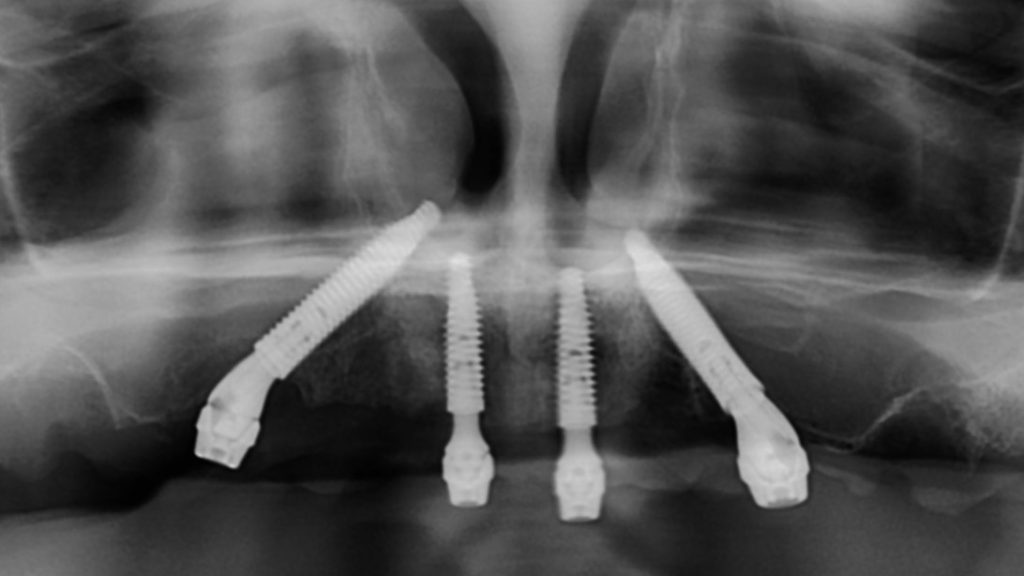
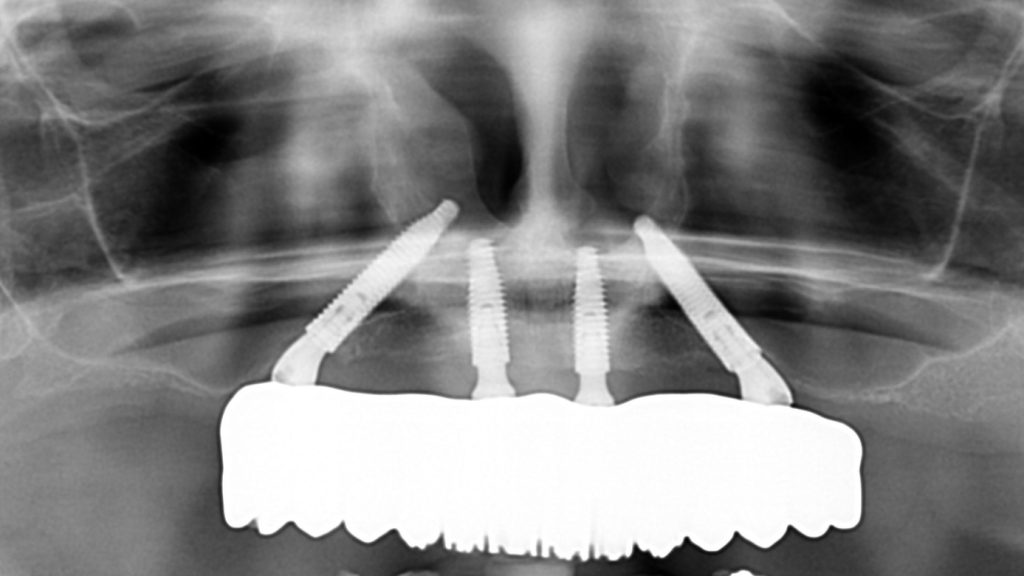
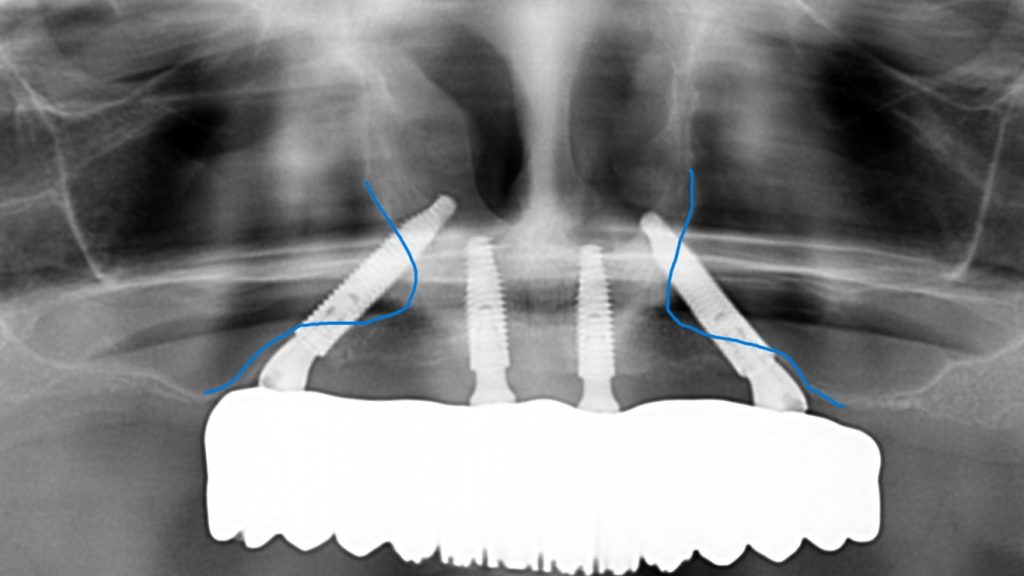
One elegant solution to overcome the pneumatized maxillary sinus was Paolo Malo’s tilted implants in the All-on-4 protocol. While simple and effective, sometimes it is not enough. In cases where the sinus extends to the canine or even the lateral incisor region, and the crestal seat of the implant is in the first or second premolar region, the implant body must pass through the sinus cavity.
In these instances, some practitioners perform a minor lateral approach sinus lift before placing the implant. Others have chosen to pass straight through the sinus, perforating it—an approach often referred to as trans-sinus or transantral. Both approaches have shown success.
Proponents of additional grafting argue that their approach provides more bone, reduces sinus pneumatization, and leaves more room for future revisions. However, it is vital to note that simply passing through the sinus cavity—without a lateral window or grafting—shows remarkable success in the literature with a very low complication rate.
The Biology of the Schneiderian Membrane
What happens to implant surface, within the sinus, is perhaps the most interesting aspect of this technique:
- Tenting: If the implant merely grazes the floor of the sinus, it lifts and “tents” the Schneiderian membrane. This creates a blood clot that eventually heals with a thin film of bone due to the membrane’s enormous osteogenic potential.
- Perforation: Usually, the implant passes completely through the membrane. While histological findings in humans are unavailable for ethical reasons, animal studies provide insight.
Weijian Zhong and associates studied implant protrusions in canine sinuses at various depths of 0, 1, 2 and 3 milimeters. They found that with up to 2mm of protrusion, spontaneous healing and bone formation occur without inflammation. When the protrusion exceeds 2mm, the membrane cannot cover the surface, and the implant remains exposed to the sinus cavity. Remarkably, no inflammation occurs; instead, a circular epithelial structure forms around the implant after 2mm protrusion, which authors compare to a gingival cuff, creating a biological barrier against the sinus cavity.
Clinical Considerations and Safety
Are they safe? The primary concern is sinus infection. However, limited literature suggests that only 2.85% of cases develop infections requiring surgical intervention—a rate lower than that of the classic lateral approach SFE. We must also remember that many zygomatic implants pass through the sinus with very little subantral bone to begin with and with far more sinus complication rate.
Oh, I forgot to tell you. The most critical factor to consider is the amount of subantral bone. Most authors describe a minimum of 3 to 4 millimeters of bone to keep complications at a minimum. This is an area where more research is needed and if less bone could also work.
Conclusion
As with any surgical route, the pros and cons must be weighed and all aspects considered. When the risk is lower than the alternative and a successful outcome is likely, the transantral approach is highly viable. In cases where sufficient subantral space is present but the sinus anatomy extends more mesially, it is often safer to pass through the cavity and anchor the implant in the lateral nasal wall of the maxilla. Certainly, more research will help to reduce the complication rate and possibly widen the indications.
References
1. Jensen OT, Cottam J, Ringeman J, Adams M. Trans-sinus dental implants, bone morphogenetic protein 2, and immediate function for all-on-4 treatment of severe maxillary atrophy. J Oral Maxillofac Surg. 2012;70(1):141-148. doi:10.1016/j.joms.2011.03.045
2. Aalam AA, Krivitsky-Aalam A, Zelig D, Oh S, Holtzclaw D, Kurtzman GM. Trans-sinus dental implants, for immediate placement when insufficient alveolar height is present: an alternative to zygomatic implants – surgical case series. Ann Med Surg (Lond). 2023;85(1):51-56. Published 2023 Jan 23. doi:10.1097/MS9.0000000000000201
3. Sales PHH, Diniz DA, Silva PGB, et al. Effectiveness of trans-sinus dental implants in the complete arch rehabilitation of the edentulous maxilla: A systematic review and meta-analysis. J Prosthet Dent. 2025;134(5):1632-1640 . doi:10.1016/j.prosdent.2024.08.003.
4. Maló P, Nobre Md, Lopes A. Immediate loading of ‘All-on-4’ maxillary prostheses using trans-sinus tilted implants without sinus bone grafting: a retrospective study reporting the 3-year outcome. Eur J Oral Implantol. 2013;6(3):273-283.
5. Jung JH, Choi BH, Jeong SM, Li J, Lee SH, Lee HJ. A retrospective study of the effects on sinus complications of exposing dental implants to the maxillary sinus cavity. Oral Surg Oral Med Oral Pathol Oral Radiol Endod. 2007;103(5):623-625. doi:10.1016/j.tripleo.2006.09.024
6. Jung JH, Choi BH, Zhu SJ, et al. The effects of exposing dental implants to the maxillary sinus cavity on sinus complications. Oral Surg Oral Med Oral Pathol Oral Radiol Endod. 2006;102(5):602-605. doi:10.1016/j.tripleo.2005.10.061
7. Zhong W, Chen B, Liang X, Ma G. Experimental study on penetration of dental implants into the maxillary sinus in different depths. J Appl Oral Sci. 2013;21(6):560-566. doi:10.1590/1679-775720130078
8. Holtzclaw D. Remote Anchorage Solutions for Severe Maxillary Atrophy: Zygomatic, Pterygoid, Transnasal, Piriform Rim, Nasopalatine, and Trans-Sinus Dental Implants. Zygoma Partners, LLLP; 2022.


Leave a Reply