

is Guided Bone Regeneration “Bad”?
In modern implantology, Guided Bone Regeneration (GBR) has long been considered the “Gold Standard.” It is not that GBR is inherently “bad”—it is a scientifically proven method that has helped thousands of patients. However, the question we must ask in the 21st century is: Is it always necessary?
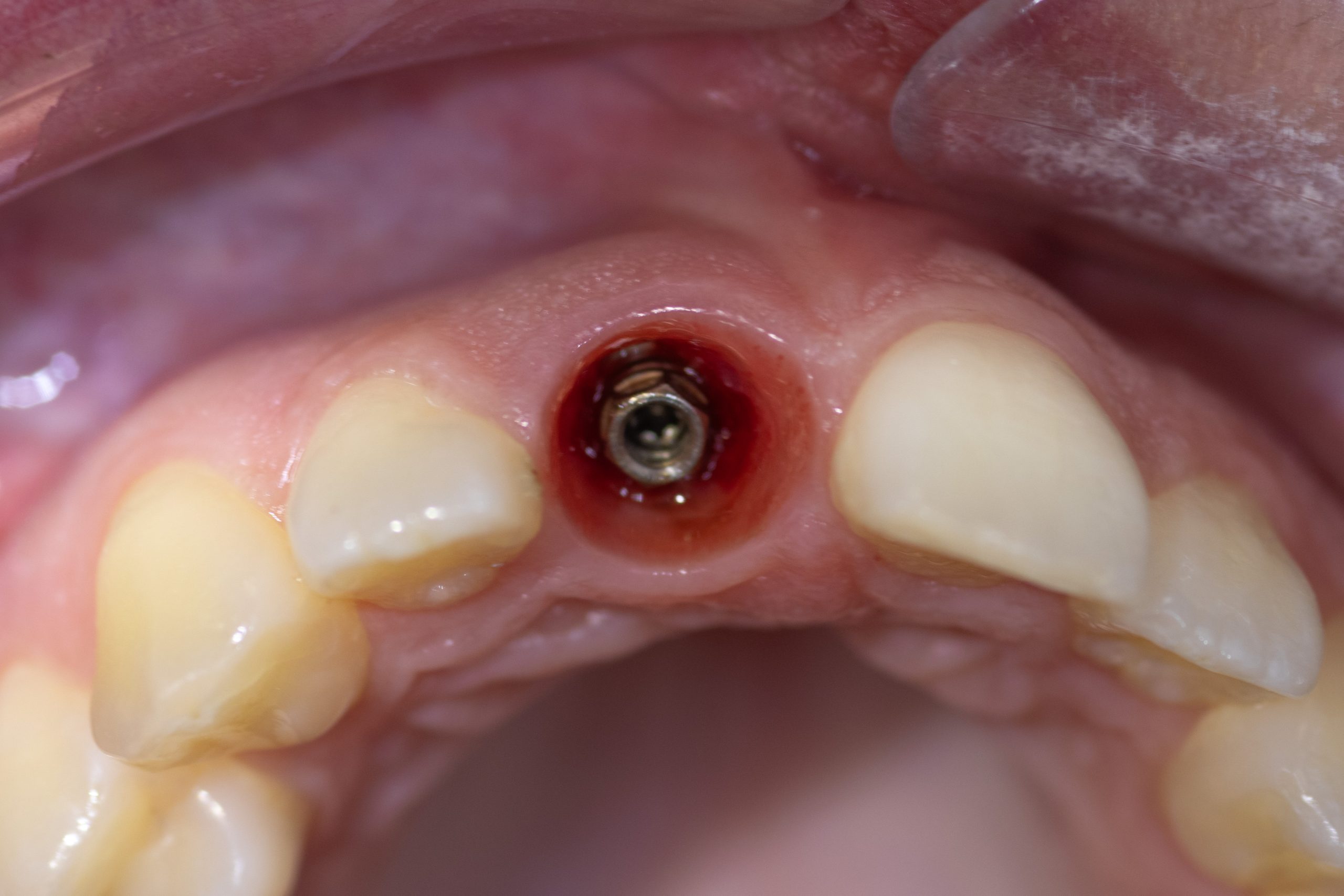
At Graft Free Implantology, we believe that the most stable, resilient, and biocompatible material is the patient’s own living tissue. Here is why we choose to move beyond traditional GBR whenever possible:

The Biological Cost of Complexity
Traditional grafting often involves non-autologous materials (synthetic or animal-derived) and multiple surgeries. Every time we introduce a foreign body or perform a secondary "harvesting" surgery, we increase the risk of:

Infection and Dehiscence: Grafting materials lack an independent blood supply, making them more vulnerable during the healing phase.

Prolonged Healing: GBR can add 6 to 9 months to the total treatment time.

Morbidity: Secondary surgical sites for bone harvesting increase patient pain and discomfort.

Respecting the “Bundle Bone” and Soft Tissue
Techniques like the Socket Shield (PET) prove that by preserving a piece of the patient’s own tooth root, we can prevent the bone from resorbing in the first place. Why try to "regrow" bone with expensive synthetics when we can prevent its loss using the body’s own natural architecture?

Strategic Biomechanics vs. Massive Augmentation
By utilizing tilted, short, or extramaxillary implants (such as Pterygoid or Zygomatic), we engage high-density, "basal" bone that is already present. This allows us to bypass the need for massive sinus lifts or horizontal augmentations, offering a "Graft Free" solution that is:

Faster: Immediate loading is often possible.

Predictable: We rely on existing, stable bone rather than the unpredictable "take" of a graft.

Cost-Effective: Reducing the number of surgeries and expensive biomaterials benefits both the clinician and the patient.
The Verdict
GBR is a tool, but Graft Free Implantology is a philosophy. We don’t avoid grafts because they don’t work; we avoid them because minimally invasive, autologous-focused alternatives often work better, heal faster, and respect the patient’s biology.
A Call for Clinical Scrutiny
In the current dental landscape, GBR is often applied non-critically—as a “one-size-fits-all” solution for every atrophic site. We believe the specialty requires a higher level of scrutiny in case selection.
The Graft Free Implantology philosophy advocates for an “Autologous First” hierarchy:
- Exhaust all Graft Free options: Can we use the patient’s own root (PET), engage cortical bone with tilted/extramaxillary implants, or use autologous tissue?
- Tiered Intervention: Only when every biological, minimally invasive, and biomechanical shortcut has been explored should we consider the added complexity of non-autologous Guided Bone Regeneration.
By making GBR the last resort rather than the first choice, we minimize patient trauma and prioritize long-term biological stability.

