

У Имплантологија без графтова (GFI), приступ меким ткивима регулисан је принципом Биолошка економија. Пошто GFI избегава агресивне протоколе за изградњу кости типичне за GBR, дизајн мукопериосталног засека је намерно модификован како би се очувала максимална васкуларизација ткива. У оквиру GFI не “отварамо да бисмо видели”, већ “приступамо да бисмо лечили”, ослањајући се на напредну дијагностику како бисмо минимизовали трауму.
Основна филозофија: Иза визуелног приступа
Традиционално се подижу флапoви ради бољег увида. Међутим, вертикални резови и обимно откривање букалне кости доводе до крварења, постоперативног отока и на крају ресорпције кости.
Савременим ЦБЦТ снимање, ми анализирамо анатомију у 3D пре првог реза. Ако знамо да је букална кост присутна, нема оправдања за њено излагање у нивоу 1 и у већини случајева нивоа 2. Међутим, мора се нагласити да протоколи ГФИ – иако промовишу процедуралну једноставност – нису намењени неискусним клиничарима. Ово се сматра напредним техникама, јер захтевају софистицирано разумевање локалне анатомије. Само искусни клиничар, кроз синергију прецизне ЦБЦТ анализе и тактилне палпације, може поуздано постићи ‘слепо’ или микро-приступно постављање у правилан анатомски положај. Штавише, Технике панча строго су контраиндиковани у GFI концепту; не постоји биолошко оправдање за уклањање кератинизованог ткива, јер је наш циљ увек да пренаменимо и преместимо постојеће биолошке ресурсе без угрожавања њиховог крвотока.
- Ниво 1: Случајеви једног импланта – Приступ са микро-приступом
- Циљ: Очување периосталног крвотока и “биолошког пломбирања”.”
- Протокол без шавова (тренутно постављање): Када екстракциони алвеол представља улазну тачку, нема биолошког оправдања за подизање додатног флап-а. Користимо постојећу анатомију како бисмо очували архитектуру.
- Микро-Флап: Користи се углавном у задњим случајевима са довољном кератинизованом мукозом. Прави се минимални рез како би се сместио абатмент и заштитни цилиндар. Овај “приступ минималног улаза” не захтева шавове и убрзава фазу зарастања.
- Напредно репозиционирање (BDF, пресавијање, рол-преклопи): Било да користите технику Абрамс Рол или а Букално померени флап (BDF), све GFI модификације деле једно златно правило: Хоризонтални рез никада се не поставља у средњој кортикалној зони.
- Циљ: Очување периосталног крвотока и “биолошког пломбирања”.”
- Ниво 2: Сегментне рестаурације – Модуларни мост протокол
- Циљ: Одрживост интерпроксималног стабилности кроз вишејединичне празнине.
- Кумулативна пријава: Сви принципи очувања првог нивоа се примењују. Ако се пацијент јави са минималним дефектима, локације се третирају као појединачне “Микро-приступне” тачке.
- Селективна изложеност: Иако се вертикални резови могу увести за управљање већим сегментима, мандат GFI то ограничава на гола минимума- обично не више од једног по клапни - како би се избегло угрожавање регионалног снабдевања крвљу.
- Циљ: Одрживост интерпроксималног стабилности кроз вишејединичне празнине.
- Ниво 3: Рехабилитација целог лука – Макро-анатомски приступ
- Циљ: Обезбеђивање стабилног, кератинизованог окружења за тренутно потпуно функционисање.
- Стратешко хоризонтално проширење: За Све на 4 и протоколима за даљинско анкерирање, рез обично се протеже од региона другог молара на једној страни до региона другог молара на другој страни. Очувамо туберозитете како бисмо одржали постериорну стабилност.
- Апикално ограничење: Вертикални резови се постављају дистално (око другог молара) и само минимално се продужују апикално како би се избегла дубока приањања мишића и нерви.
- Политика “Нула отпада”: Током редукције кости, често нам остане вишак меког ткива. У GFI систему, Никада не бацамо ткиво.
- Циљ: Обезбеђивање стабилног, кератинизованог окружења за тренутно потпуно функционисање.
Сажетак GFI флап мандата
Приоритизујући Цјеловитост крвних судова преко Хируршка погодност, Graft Free Implantology обезбеђује да је постоперативна морбидитет сведена на минимум. Ткиво меких десни третирамо као драгоцен ресурс који се премешта и оптимизује, никада не умањује.
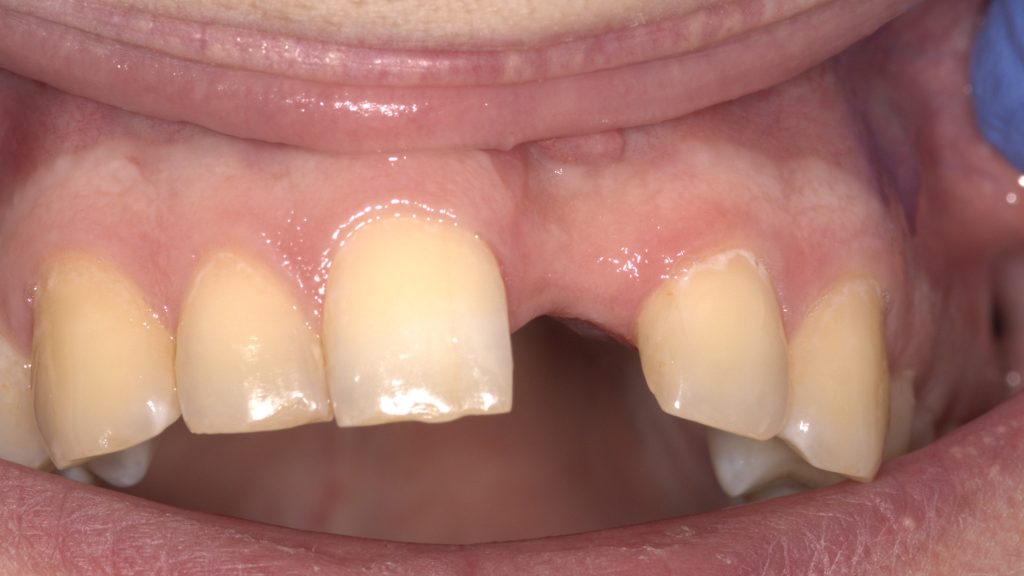
Померени букални флап – ситуација пре процедуре
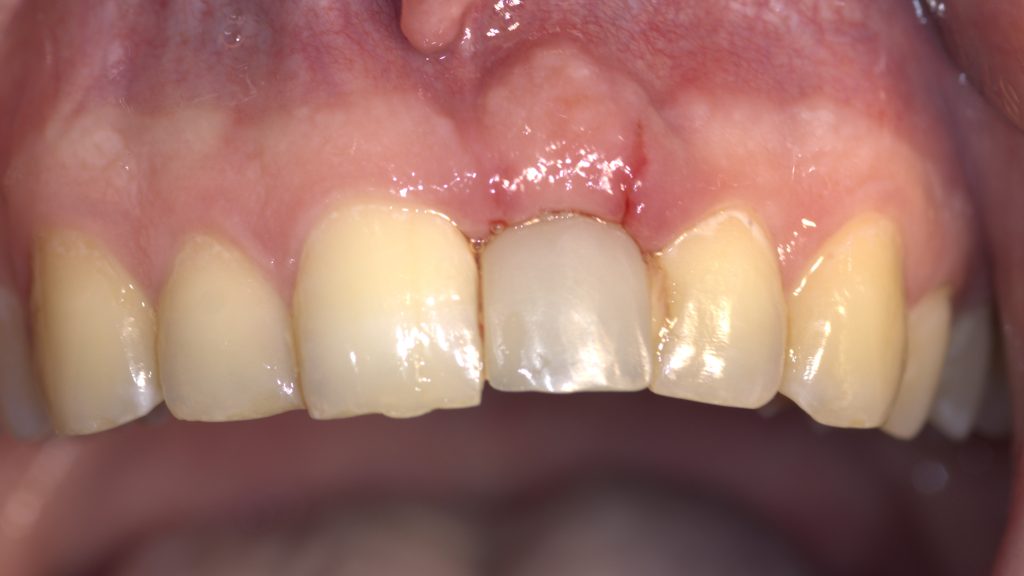
BDF након 7 дана
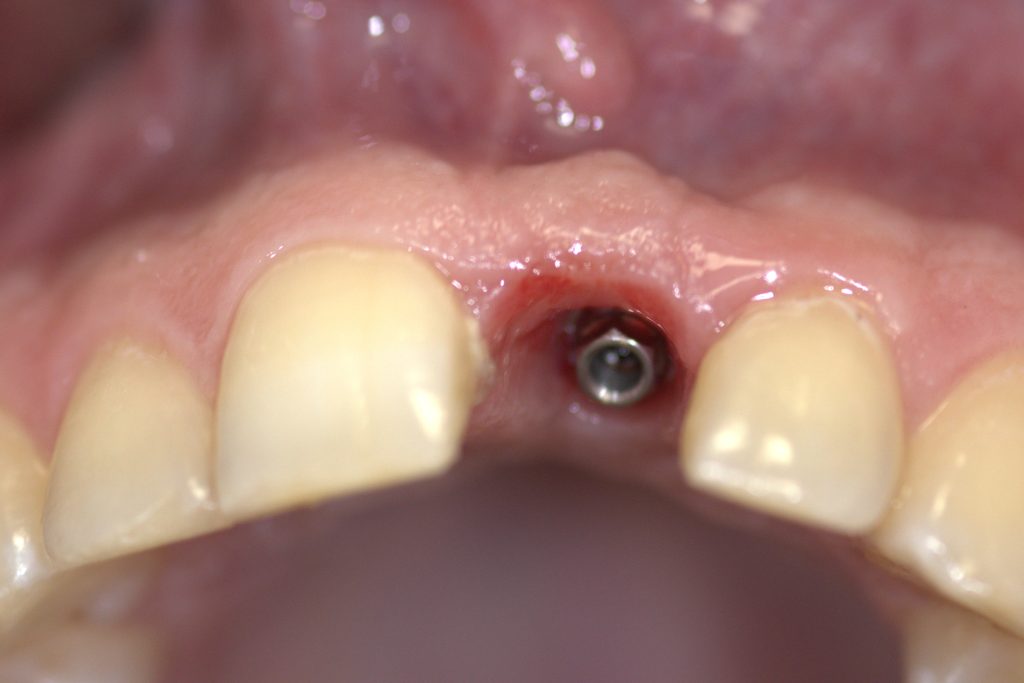
BDF – након зарастања
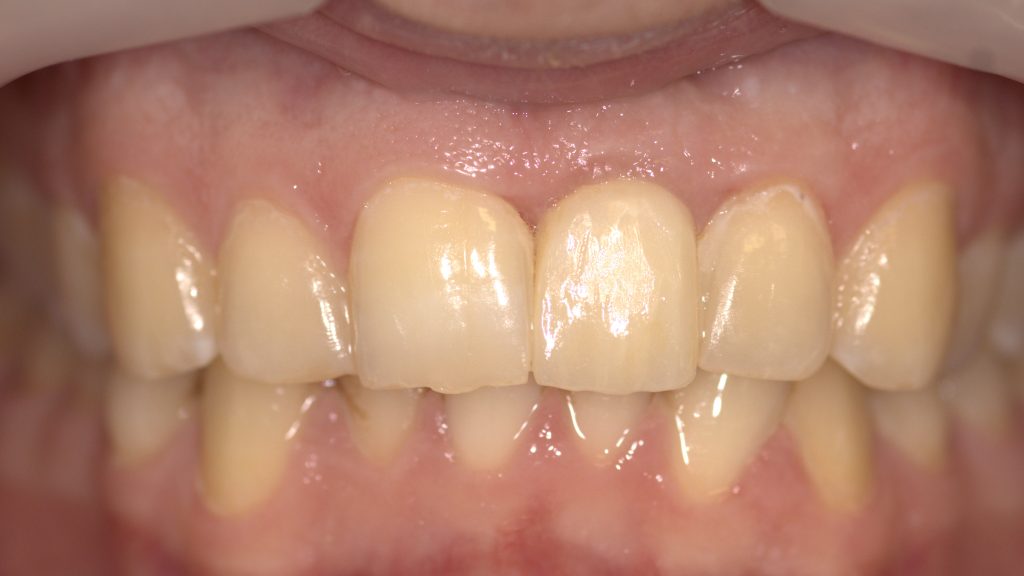
Коначна круна је постављена након зарастања.
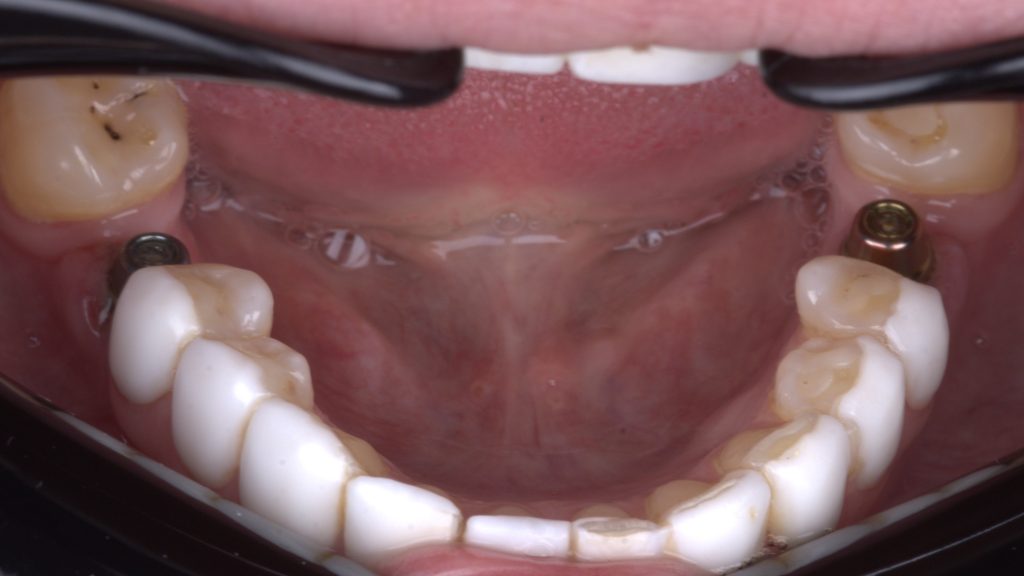
Микро флап након два дана – без шавова и помакнути кератинизована десна
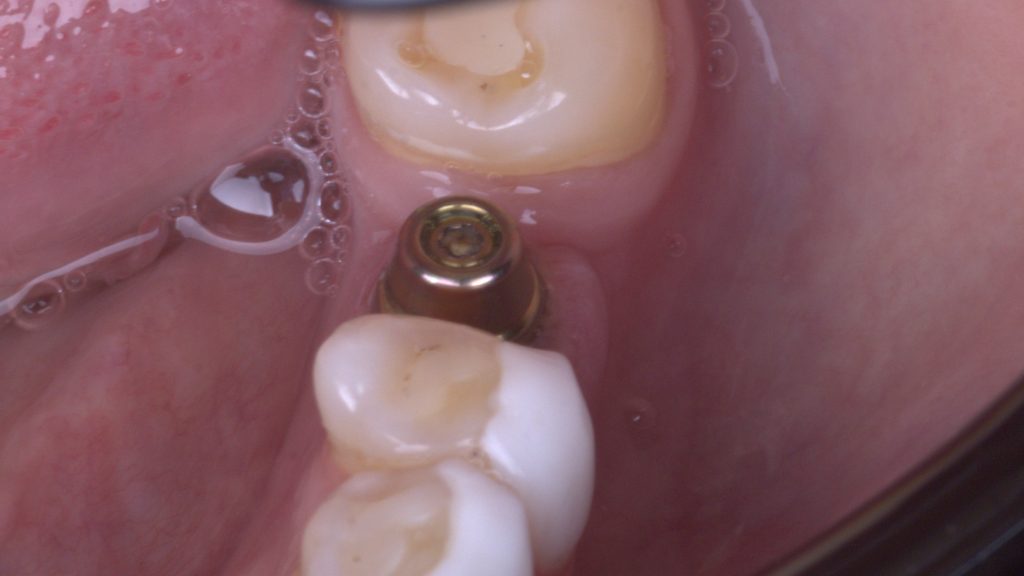
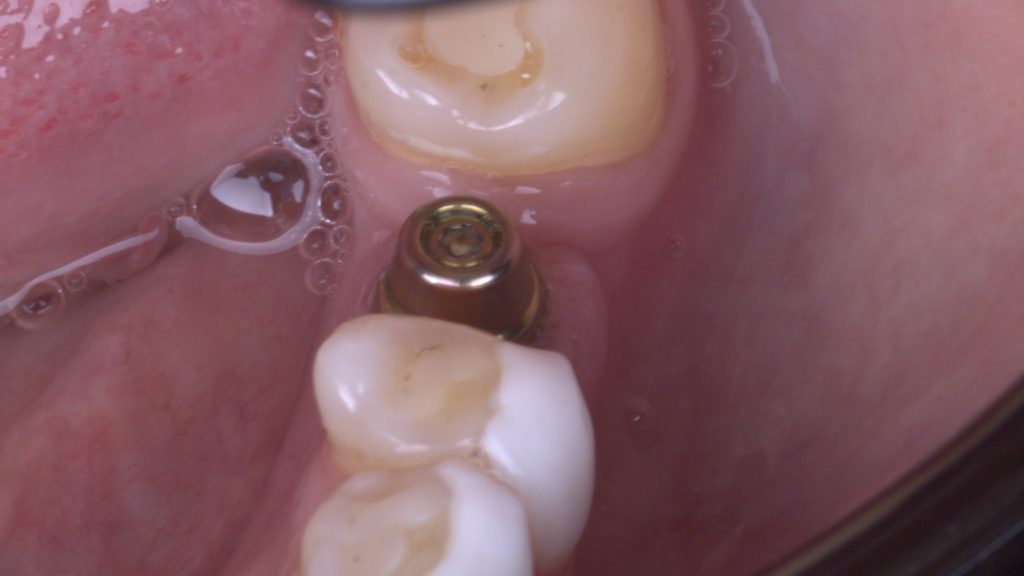
Микро флап након два дана – брже зарастање, без отицања
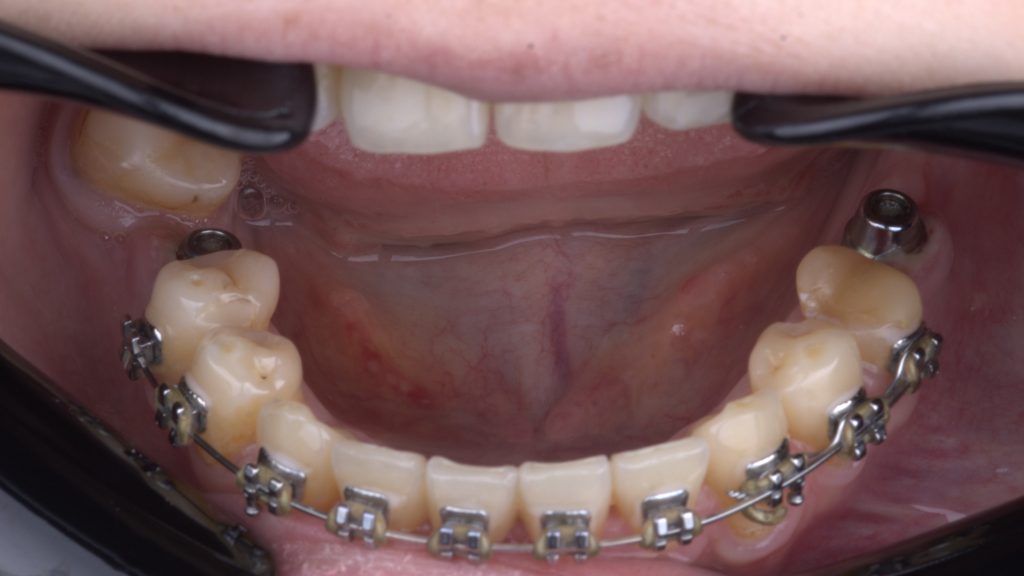
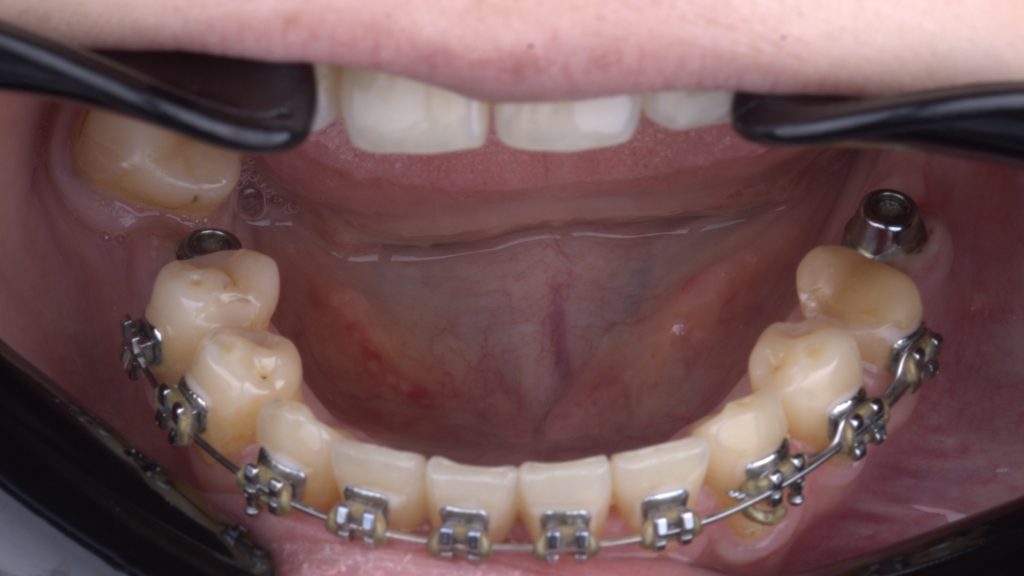
Микро флап – још један случај, предвидив исход
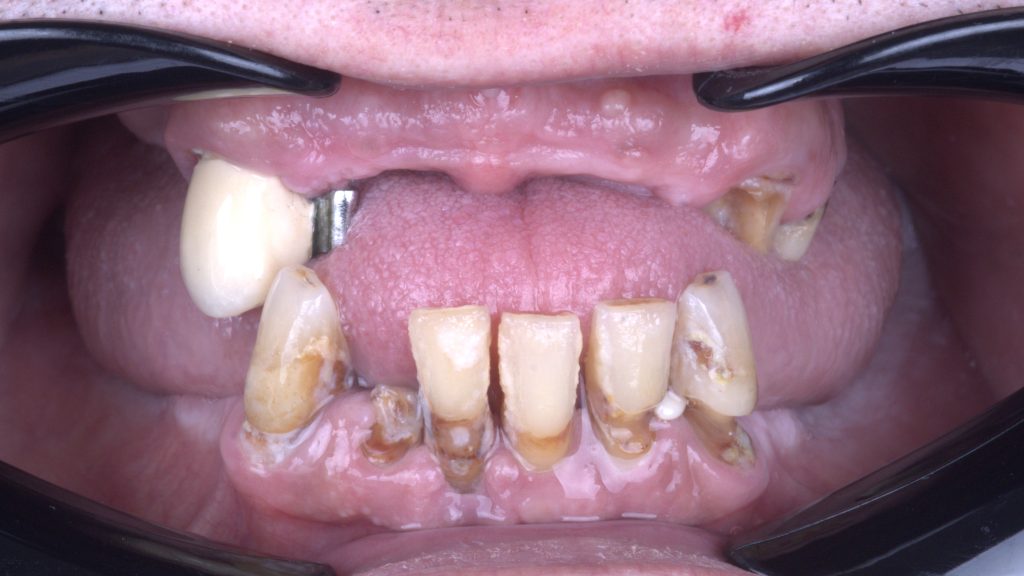
Упаљене десни пацијента пре All on 4 процедуре
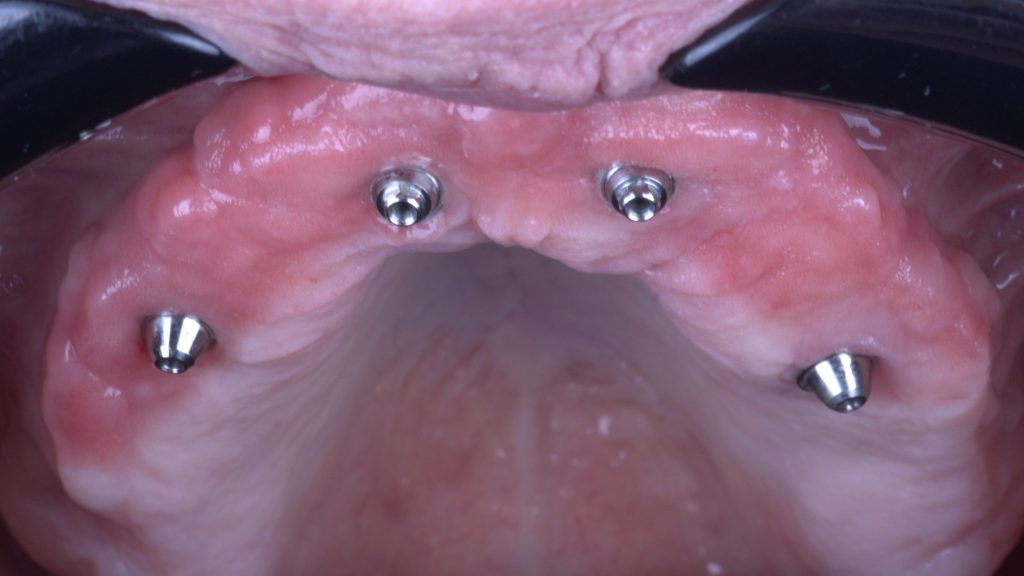
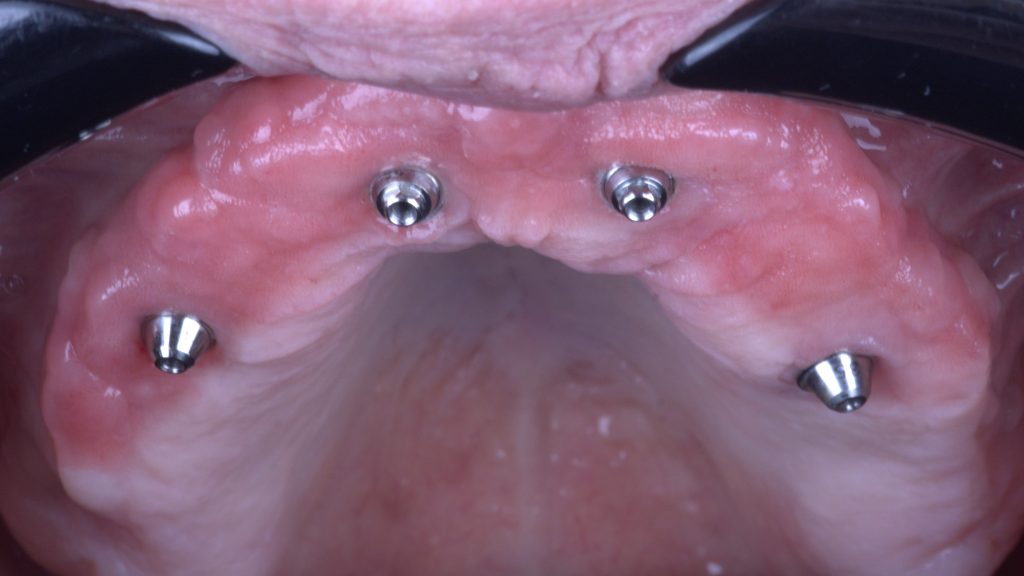
Комплетна реконструкција луке зуба са стабилном кератинизованом десницом
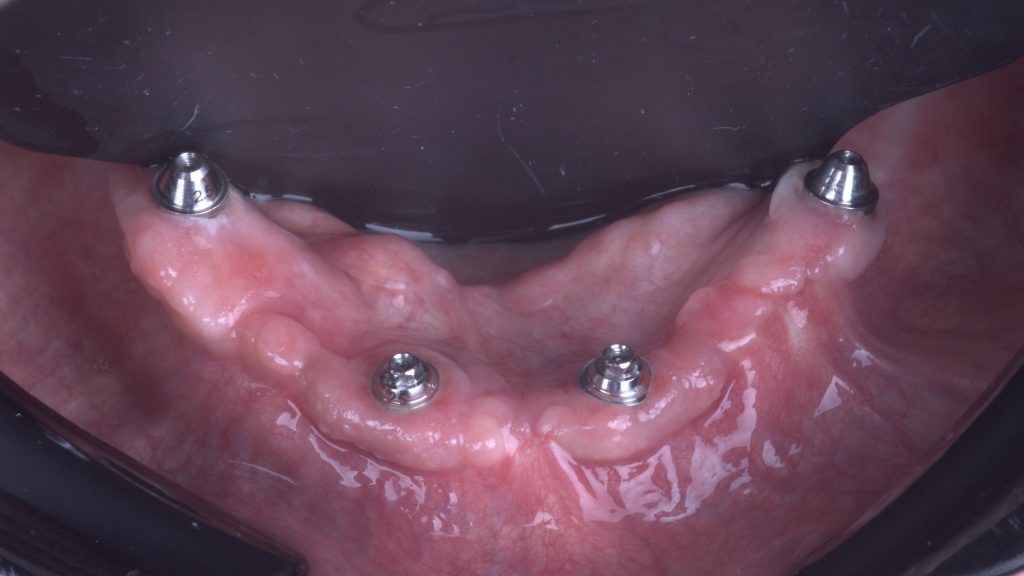
Здраво кератинизовано десно у доњој вилици



Оставите одговор